


If you live in Indianapolis, May is one of the most important months of the year for your roof.
Winter snow, ice, freezing temperatures, and strong spring winds can leave hidden damage behind. At the same time, May and June are when Indiana begins seeing more severe thunderstorms, hail, and damaging wind events. Indianapolis experiences frequent spring and summer thunderstorms, with May being one of the wettest months of the year.
At Stay Dry Roofing, we tell homeowners the same thing every spring: small roofing problems become expensive emergencies fast once storm season starts. A missing shingle today can turn into a major leak after one severe thunderstorm.
That is why we recommend every homeowner complete a full spring roof checklist in May before the heavy storms arrive.
Here is what to check on your roof after winter and why each item matters.
Look for Missing or Lifted Shingles
Winter freeze-thaw cycles are hard on asphalt shingles. Ice, snow, and strong wind gusts can loosen shingles without homeowners noticing from the ground.
Walk around your home and look for:
- Missing shingles
- Curled shingle edges
- Cracked shingles
- Dark patches on the roof
- Uneven roof lines
Even one missing shingle can expose the underlayment and roof decking underneath. Once spring rain and hail arrive, water can quickly get into your attic.
If ignored:
A small repair could turn into water damage, mold growth, insulation replacement, or wood rot.
Estimated repair cost if ignored:
$250 repair today vs. $3,000 to $10,000 in interior water damage later.
At Stay Dry Roofing, we often find winter shingle damage during our free roof inspections throughout Indianapolis, Carmel, Fishers, Greenwood, and surrounding communities.
Inspect Gutters and Downspouts
Your gutters are one of the most important parts of your roofing system.
After winter, gutters often fill with:
- Leaves
- Twigs
- Granules from shingles
- Dirt and debris
When gutters clog, rainwater backs up under shingles and around your foundation.
Check for:
- Sagging gutters
- Overflowing water
- Loose fasteners
- Separated gutter joints
- Downspouts draining too close to the home
Pay close attention to shingle granules collecting in gutters. Excessive granules can mean your roof is aging faster than expected.
If ignored:
Water overflow can damage fascia boards, siding, landscaping, and even your foundation.
Estimated repair cost if ignored:
$150 cleaning today vs. $5,000+ foundation or fascia repairs later.
Check for Signs of Hail Damage
Indiana hail season typically ramps up in late spring and early summer. Severe thunderstorms can produce hail large enough to damage shingles, flashing, skylights, and gutters.
The challenge with hail damage is that many homeowners cannot spot it themselves.
Common signs include:
- Black impact marks on shingles
- Dented vents or gutters
- Bruised shingles
- Cracked seal strips
- Exposed fiberglass matting
Hail damage weakens the protective surface of your roof. Even if leaks do not appear immediately, the roof can deteriorate much faster over the next few years.
If ignored:
Minor hail damage can shorten roof life and lead to insurance claim issues later.
Estimated repair cost if ignored:
$500 repair now vs. $12,000 to $20,000 full replacement later.
Stay Dry Roofing specializes in storm damage inspections and insurance claim assistance throughout the Indianapolis area.
Inspect Flashing Around Roof Penetrations
Flashing is the metal material installed around:
- Chimneys
- Skylights
- Plumbing vents
- Roof valleys
- Dormers
These areas are some of the most common leak locations after winter.
Temperature changes cause flashing materials to expand and contract. Over time, this can loosen seals and create gaps where water enters.
Look for:
- Rusted flashing
- Cracked caulking
- Loose metal edges
- Water stains in the attic
Many homeowners think they need a full roof replacement when the real issue is failed flashing.
If ignored:
Leaks around flashing can spread into ceilings, walls, and insulation.
Estimated repair cost if ignored:
$300 flashing repair today vs. $4,000+ structural water damage later.
Examine Your Attic for Moisture Problems
A roof inspection should never stop at the shingles.
Go into your attic during daylight hours and check for:
- Water stains
- Mold growth
- Damp insulation
- Sunlight coming through roof boards
- Musty smells
Your attic often reveals roofing issues before they become visible inside your living space.
Poor attic ventilation can also trap heat and moisture, causing shingles to age faster during Indiana’s humid summers.
If ignored:
Moisture problems can damage insulation, framing, and indoor air quality.
Estimated repair cost if ignored:
$400 ventilation fix now vs. $6,000 mold remediation later.
Trim Overhanging Tree Branches
Spring storms in Indianapolis often bring strong wind gusts capable of snapping tree limbs onto roofs. Even smaller branches can scrape shingles and remove protective granules over time.
Check for:
- Limbs touching the roof
- Dead branches
- Trees hanging over gutters
- Debris collecting in roof valleys
Tree damage is one of the leading causes of emergency roof repairs during storm season.
If ignored:
Falling limbs can puncture shingles, damage decking, or clog drainage systems.
Estimated repair cost if ignored:
$200 trimming today vs. $8,000 storm damage repair later.
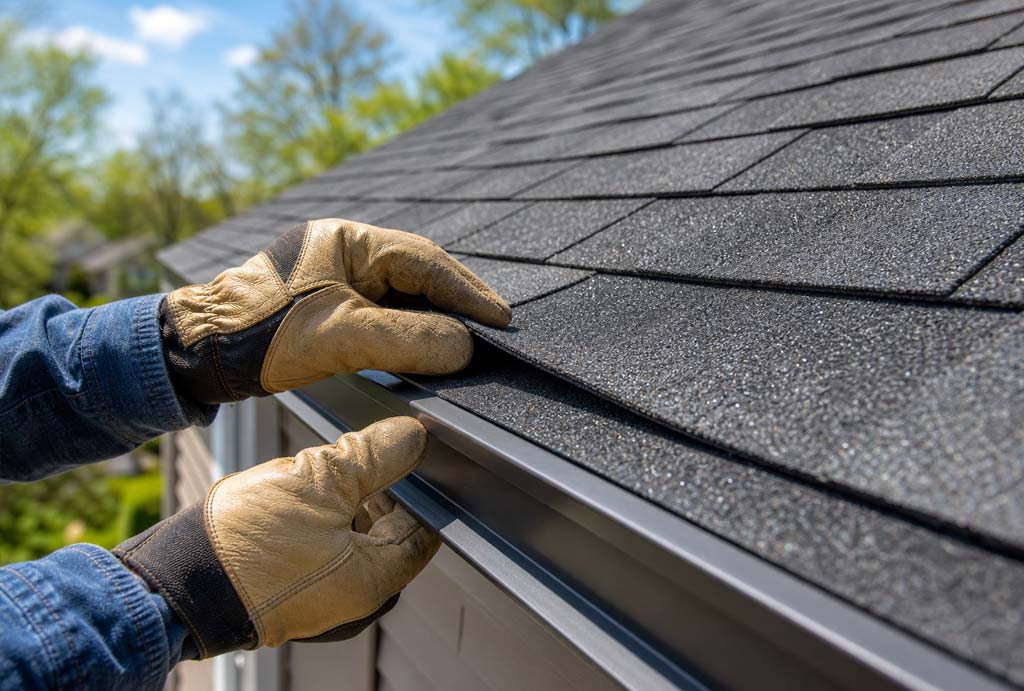
Check for Soft Spots or Sagging Areas
A sagging roofline is never normal.
Soft spots may indicate:
- Rotting roof decking
- Moisture trapped under shingles
- Structural weakening
- Long-term leaks
If you notice any dipping areas or uneven roof sections, schedule a professional inspection immediately.
These problems usually start small but become serious quickly during heavy rain season.
If ignored:
Structural roof failure can become a major safety concern.
Estimated repair cost if ignored:
$1,000 repair now vs. $15,000+ structural rebuild later.
Review Your Roof’s Age
Many Indianapolis homeowners are unsure how old their roof actually is.
If your roof is:
- 10–15 years old: inspect annually
- 15–20 years old: monitor closely for storm damage
- 20+ years old: start planning for replacement
Older roofs become more vulnerable during Indiana’s severe weather season.
At Stay Dry Roofing, we help homeowners understand whether repairs are still cost-effective or whether replacement makes more financial sense.
As a family-owned Indianapolis roofing company and GAF Master Elite contractor, we focus on honest recommendations and long-term protection for your home.
Why May Is the Best Time for a Roof Inspection in Indiana
Waiting until summer storms hit is risky.
By May:
- Winter damage has fully appeared
- Temperatures are safer for inspections
- Repairs can be completed before peak hail season
- Insurance claims are often easier to document early
Many Indianapolis homeowners wait until they see an active leak. Unfortunately, by that point, hidden damage may already exist inside the home.
Preventive maintenance almost always costs less than emergency repairs.
Schedule Your Spring Roof Inspection Before Storm Season
Your roof protects everything underneath it. Indiana weather can be unpredictable, especially during late spring and early summer.
That is why our team at Stay Dry Roofing recommends scheduling a professional spring roof inspection every May.
We proudly serve homeowners throughout Indianapolis and surrounding communities with:
- Roof inspections
- Roof repairs
- Storm damage restoration
- Roof replacements
- Emergency roofing services
Our goal is simple: help Indianapolis homeowners stay ahead of storm damage before expensive problems begin.