

At Stay Dry Roofing, we believe a roof does more than keep rain out and in 2026 it’s becoming a smart, active part of your home. If you live in Fishers or the surrounding Indianapolis area, this guide is written for you: clear, practical, and focused on the technologies and roofing choices that actually matter for your home. Below we’ll explain the top smart roofing trends for 2026, what they do, why they matter, and how to decide if an upgrade makes sense for your house.
What “smart roofing” means and what it doesn’t mean
“Smart roofing” isn’t a single product. It’s a set of technologies and better materials that make roofs safer, longer lasting, more energy-efficient, and easier to monitor. That can include rooftop solar, sensors that detect leaks, drone inspections powered by AI, reflective coatings that lower attic temperatures, and new synthetic shingles built to resist impact and fire. These changes are driven both by homeowner demand for efficiency and by contractors adopting smarter tools and workflows.

Top tech trends every homeowner should know in 2026
Drone + AI roof inspections
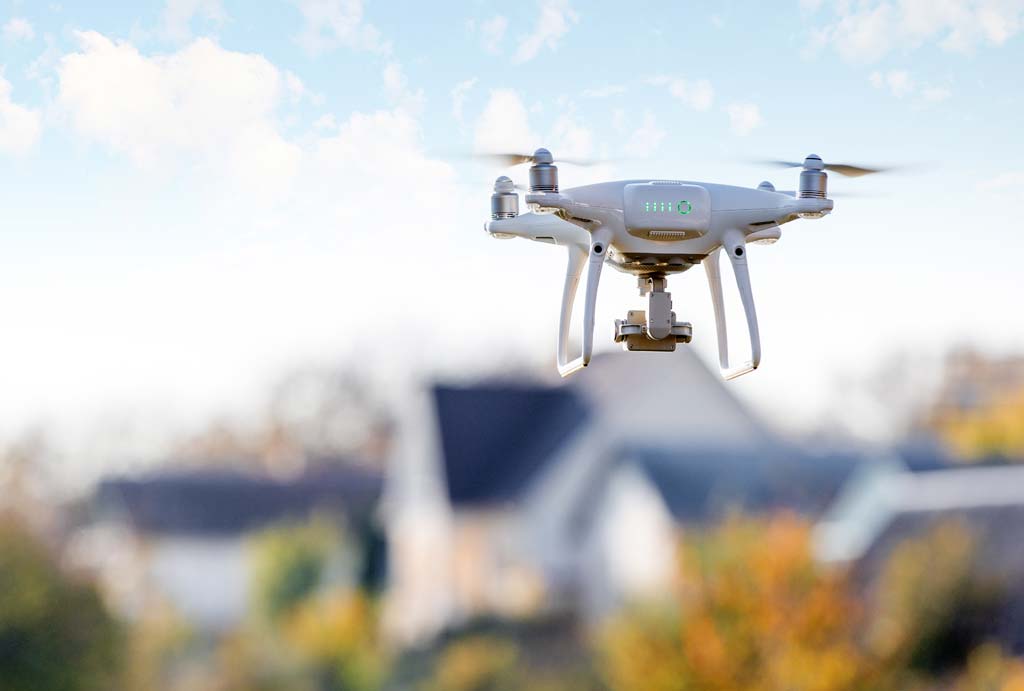
Drones with high-resolution cameras and AI analysis are now standard tools for forward-thinking roofers. A drone flight can capture every slope and penetration, while AI helps flag missing shingles, granule loss, or subtle storm damage that the naked eye might miss. This lowers safety risk for crews and gives homeowners clearer, documented proof for insurance claims. We use these tools in Indiana to speed inspections and make our estimates more precise.
Roof sensors and leak-detection systems
Tiny sensors placed in key spots (attics, valleys, gutters, flashings) can alert you to moisture or temperature changes before you see stains inside. For older roofs or homes with complex valleys, sensors are a cost-effective early-warning system think of them as smoke detectors for water. Early detection often prevents interior damage that costs far more than the sensor system itself.
Solar roofing goes mainstream
Solar shingles and integrated PV continue to improve. For many homeowners, integrated solar roofing looks cleaner and can replace some roofing materials while generating electricity. In 2026 the choices are broader: from traditional panels mounted on brackets to shingles that blend into asphalt or metal roofs. Expect better warranties and simpler integration with home energy systems, but also expect installers to evaluate roof pitch, shading, and structural needs carefully.
Cool roofs and reflective coatings for energy savings
Reflective coatings and cool-colored metal or shingle products reduce attic heat and lower cooling bills in summer. In Indiana’s variable climate, reducing attic temperatures also reduces thermal stress on roofing materials, which can lengthen roof life. These coatings are an inexpensive retrofit in many cases and pair well with added attic insulation.
Advanced materials like synthetic, impact-resistant, and fire-rated products
Manufacturers are rolling out stronger, lighter synthetic shingles and composite products that mimic slate or cedar without the weight or maintenance. There’s also increased demand for Class-A fire-rated and impact-resistant roofing as storms and insurance considerations shift. These materials can offer longer lifespans, and lower lifetime costs a smart choice when you weigh replacement cycles and resale value.
Integrated gutters and smart snow/ice management
Gutters are getting “smarter” too. Systems that reduce clogs, channel water more efficiently, and include integrated heating in critical areas help prevent ice dams and hidden leaks. In Fishers, where winter freeze-thaw cycles are real, smart snow management (including correct attic ventilation and strategic underlayment) pays off fast by preventing costly interior damage.
Contractor tech
Behind the scenes, roofing companies that use connected software tools (dispatch, CRM, digital invoicing, field reporting) make fewer mistakes, respond faster, and document work better for you and your insurer. A tech-savvy crew that pairs drones, sensors, and integrated field software will often give a more reliable, transparent experience.
What it costs and how to think about ROI
Smart roofing upgrades range from inexpensive (sensors, reflective coatings) to significant investments (solar shingles, full replacement with premium impact-resistant products). Two ways to think about cost:
- Preventive ROI: Sensors, better underlayment (like Ice & Water Shield), and proactive storm management prevent leaks and interior damage that can be many times more expensive than the initial investment. At Stay Dry Roofing we design underlayment and protection plans specifically to prevent ice dams and leaks common here in Indiana.
- Energy & resale ROI: Cool roofs and solar systems can lower monthly bills and increase home value. The ROI depends on your energy usage, local electricity prices, incentives, and roof orientation. We’ll run numbers for you and explain payback timelines so you can make an informed call.
Which upgrades are worth it for Fishers homeowners?
There’s no one-size-fits-all answer. Here’s a practical checklist we use when advising Fishers homeowners:
- Is your roof older than 15–20 years? Consider a full replacement with durable, impact-resistant materials.
- Do you see attic heat and high summer bills? Explore cool coatings and attic insulation upgrades.
- Is your roof complex (many valleys, penetrations)? Invest in sensors and a stronger underlayment plan.
- Do you have frequent storms or nearby tree cover? Impact-resistant shingles and proactive gutter solutions help.
- Want solar but worried about aesthetics? Ask about integrated solar shingles versus panels.
We also consider insurance factors, local building codes, and your home’s resale plans in Fishers.
How to evaluate contractors
If you’re investing in tech-enhanced roofing, your contractor matters. Ask:
- Do you use drone inspections and can I see the report? (If they don’t, ask why not.)
- What warranties cover material and workmanship and are tech components covered?
- Who will monitor sensors and maintain smart systems after installation?
- Do you handle permitting and interconnection for solar systems?
- Can you show before-and-after documentation and references in Fishers or Indianapolis?
We answer these questions for every customer and provide clear documentation for insurance when damage occurs. Using modern tools alone doesn’t guarantee quality it’s how those tools are applied that counts.
Common smart-roofing myths
Myth: “Smart roofs are only for wealthy homeowners.”
Reality: Many smart options (sensors, coatings, better underlayment) are affordable and prevent costlier damage down the line. Solar and full replacements carry larger costs but also offer subsidies and long-term savings depending on your situation.
Myth: “If my roof looks fine, I don’t need tech.”
Reality: Problems often start small and invisible moisture where insulation meets the deck, roof deck rot, hairline gaps after a storm. Tech helps find those issues early.
The Stay Dry Roofing approach
We blend new technology with old-fashioned roofing fundamentals:
- Start with a professional drone inspection and AI-supported report when appropriate.
- Design underlayment plans tailored to your roof shape and local winter risks Ice & Water Shield in the right places is often the smartest money you’ll spend.
- Recommend energy-saving and protective materials based on your home, not the latest fad. We’ll explain costs, warranties, and expected life cycles.
- If you want solar or integrated systems, we coordinate with trusted solar partners to make sure your roof supports the system and that warranties remain valid.
We serve Fishers and the broader Indianapolis area and pride ourselves on clear communication, documented inspections, and quality workmanship. If you want to see how these technologies work on a real job, ask for a demo of a drone inspection or a walk-through of a completed smart upgrade.
Practical next steps
- Schedule a roof inspection and ask for drone documentation if available.
- Prioritize underlayment and leak prevention first these are the foundation of long-lasting smart roofing.
- Consider sensors if you have a complex roof, finished attic, or recent storm history.
- Get a formal estimate that breaks out material, labor, permitting, and any tech components. Make sure warranties are written into the contract.
- If you’re thinking about solar or major energy upgrades, request an integrated evaluation for roof condition and solar feasibility.
Final thoughts
Roofing in 2026 is about more than shingles it’s about smarter decisions. Tech like drones, sensors, advanced materials, and integrated energy solutions make roofs safer, longer lasting, and more efficient. But technology is only as good as the team using it. We combine those tools with the hands-on experience Fishers homeowners expect solid underlayment, correct ventilation, and attention to the small details that stop leaks.
If you’re curious which smart upgrades make sense for your Fishers home, we’re ready to help. Call Stay Dry Roofing for a no-pressure inspection and a clear plan that fits your budget and your goals. We’ll show you the drone footage, explain our work, and leave you with options not the hard sell.