

Winter in Fishers brings beautiful snowfalls and some roofing stress that can turn small problems into big, expensive ones. This article walks you through the most common winter roofing mistakes Fishers homeowners make, why they’re dangerous, how to spot them, and exactly what to do to protect your home and your wallet.
We write this for busy homeowners who want clear, practical steps no jargon, just straight talk. Follow these tips and you’ll avoid emergency repairs, insurance hassles, and time spent worrying about leaks on a cold night.
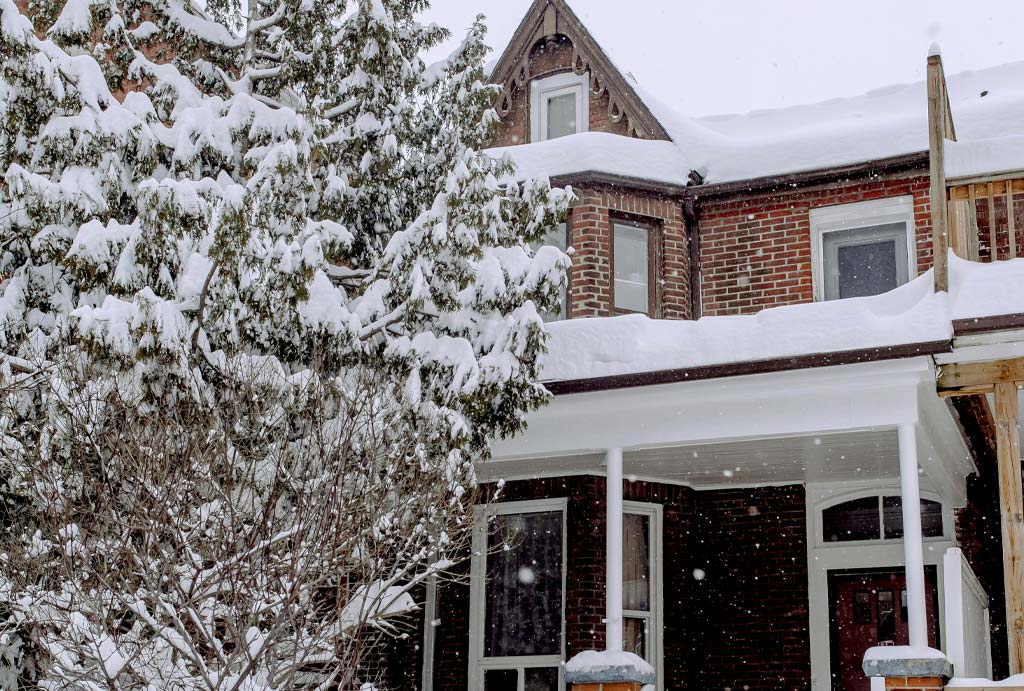
Why winter is a different beast for roofs
Cold weather, freeze-thaw cycles, wind, ice, and heavy snow all act on your roof in ways that summer weather doesn’t. Small weaknesses such as a loose shingle, a clogged gutter, or thin attic insulation are amplified when temperatures drop. That’s why fixing problems BEFORE winter is always cheaper and safer than waiting for damage to happen.
At Stay Dry Roofing, we recommend a fall inspection for every Fishers home. A quick check can catch worn flashing, missing shingles, and early signs of roof deck rot before snow and ice make repairs costly.
Mistake 1: Skipping a pre-winter roof inspection
Why homeowners do it: “We’re busy,” or “It looked fine last summer.”
Why it’s a mistake: Small problems grow fast in winter. A single loose shingle or tiny gap in flashing can let water in during melt cycles or when ice dams form.
What to watch for: missing or curling shingles, granules in gutters (a sign shingles are aging), visible nail heads, and rusted or lifted flashing around vents and chimneys.
What we recommend: Schedule a professional inspection in October or November. We perform a full check shingles, flashing, valleys, vents, and gutters and give you a clear plan: repair now, monitor, or replace. Catching problems early saves hundreds or thousands later.
Mistake 2: Letting gutters clog and ice up
Why homeowners do it: Gutters are out of sight and easy to forget.
Why it’s a mistake: Clogged gutters prevent proper drainage. When water can’t escape, it pools, freezes, and forms ice dams at the roof edge. Ice dams push water under shingles and into your attic and ceilings.
What to watch for: overflowing gutters, icicles hanging from eaves, and water stains on interior ceilings.
What we recommend: Clean gutters in late fall and consider gutter guards to keep leaves out. If you already see ice dam signs, don’t chip at them with a hammer that can damage shingles and fascia. Use a roof rake from the ground to remove excess snow after storms and call a pro if ice dams reoccur. Preventing blocked drainage is one of the simplest ways to avoid winter roof damage.
Mistake 3: Poor attic insulation and ventilation (hello, ice dams)
Why homeowners do it: Insulation upgrades feel expensive and technical.
Why it’s a mistake: Heat escaping from the attic warms the roof surface and melts snow. Meltwater runs to the cold eaves where it refreezes, creating ice dams. Ice dams trap water, forcing it under shingles and into your home.
What to watch for: uneven snow melting on the roof (melted ridges and cold eaves), interior mildew or moisture, and high heating bills.
What we recommend: Add or replace insulation evenly, seal attic air leaks (around recessed lights, chimneys, and attic doors), and ensure proper ventilation so roof temperature stays uniform. Fixing insulation and ventilation reduces ice dams and lowers energy bills a win-win for Fishers winters.
Mistake 4: Trying dangerous DIY snow or ice removal
Why homeowners do it: It seems faster and cheaper than hiring help.
Why it’s a mistake: Climbing on an icy roof is risky for you and risky for the roof. Using sharp tools, metal shovels, or pry bars can tear shingles and underlayment. Falls from icy eaves are a major source of winter injuries.
What to watch for: DIY footprints on the roof, gouge marks on shingles, or loose nails after an attempt to remove ice.
What we recommend: Use a long-handled roof rake from the ground to remove snow. If ice removal is necessary, call a professional who knows how to do it safely without damaging shingles or flashing. Leave the rooftop work to trained crews when temperatures or slopes make the job dangerous.
Mistake 5: Ignoring flashing and penetration seals
Why homeowners do it: These things are small and easy to overlook.
Why it’s a mistake: Flashing around chimneys, skylights, vents, and walls is the usual entry point for winter leaks. When flashing is loose, corroded, or poorly installed, meltwater will sneak under shingles where you won’t see it until ceilings stain.
What to watch for: cracked or lifted flashing, missing sealant, or past patch jobs that look different from the original work.
What we recommend: During your inspection, we check flashing and reseal or replace it as needed. A well-flashed roof is your first line of defense against winter water intrusion. Don’t rely on temporary caulking for long-term protection.
Mistake 6: Believing roofing work can’t be done in winter
Why homeowners do it: You’ve heard “roofing in winter is impossible.”
Why it’s a mistake: While extreme cold, heavy snow, or ice will pause work, many repairs and even replacements can be done in cold weather with the right materials and experienced crews. The myth that shingles won’t seal in cold is outdated for modern products and professional installation.
What to watch for: contractors who refuse winter work but offer no solution, or crews that try to cut corners when it’s cold.
What we recommend: Hire an experienced local roofer who understands winter techniques (hand-sealing where necessary, scheduling around weather windows, using winter-grade adhesives and fasteners). If emergency repairs are needed, a qualified team can secure your roof until a permanent fix is possible. Don’t let the “winter myth” keep you from timely repairs.

Mistake 7: Postponing small repairs until spring
Why homeowners do it: “It’s only a couple of shingles.”
Why it’s a mistake: A seemingly small issue becomes a big one when exposed to snow, ice, and wind. Water gets into the deck, insulation gets wet, and mold can grow. What might be a $200 repair now could be thousands later.
What to watch for: missing shingles, exposed nail heads, or temporary patches that haven’t held up.
What we recommend: Fix small problems as soon as they’re found. If you’re debating repair vs. replacement, get an inspection and quote we’ll show costs and timing for both options so you can make the best financial decision.
Mistake 8: Using improper or cheap materials to save money
Why homeowners do it: Budget worries.
Why it’s a mistake: Low-quality shingles, cheap flashing, or mismatched materials can speed wear and fail early in freeze-thaw cycles. Trying to save a little now often costs more later in repairs and shorter roof life.
What to watch for: very cheap replacement patches, mismatched shingle colors that don’t match brand or type, and flashing that looks thin or corroded.
What we recommend: Invest in quality materials from reputable manufacturers. They perform better in cold, hold their granules longer, and protect your home through several winters. We’ll help you balance upfront cost and long-term value when choosing materials.
Mistake 9: Not trimming dangerous trees before storms
Why homeowners do it: Tree limbs look pretty and it’s easy to delay.
Why it’s a mistake: Heavy snow and ice add weight to branches. When limbs come down, they can tear shingles, dent gutters, and create holes. Falling trees also complicate insurance claims if you didn’t keep up on maintenance.
What to watch for: overhanging limbs within 6–10 feet of the roof, dead branches, or limbs that brush the house in high winds.
What we recommend: Trim or remove risky branches before winter storms arrive. Keep a clear buffer around your roof to reduce the chance of storm damage.
Mistake 10: Failing to document condition before winter storms
Why homeowners do it: They assume “nothing will happen” or don’t think about documentation.
Why it’s a mistake: After a storm, insurers will want proof of pre-existing conditions, maintenance, and damage timelines. Lack of documentation can slow or reduce claims.
What to watch for: no photos, no receipts for recent repairs, and no inspection reports.
What we recommend: Take photos of your roof in fall, keep receipts for maintenance and repairs, and get written inspection reports. We provide thorough inspection reports that are helpful for both homeowners and insurance adjusters.
Emergency winter repair. What to do if your roof leaks right now
- Move valuables out of the leak area.
- Contain water with buckets and towels.
- Protect floors and walls with plastic and drop cloths.
- Call a professional for a temporary tarping and a written estimate. Avoid climbing on an icy roof yourself it’s dangerous. We provide emergency tarping and temporary repairs to stop water intrusion until a permanent fix is safely completed.
Why local knowledge matters in Fishers
Fishers’ winters have patterns we know well: temperatures that swing above and below freezing, occasional heavy snow, and spring freeze-thaw cycles that stress roof materials. Local roofers who work here year-round understand the best materials, the right ventilation strategies for area homes, and how to handle snow-load and ice-dam risk effectively. Our local experience helps prevent costly mistakes and keeps your family comfortable through winter.
How Stay Dry Roofing helps Fishers homeowners
We inspect, repair, and replace roofs with winter-ready methods and materials, offer gutter cleaning and protection solutions, seal flashing and penetrations correctly, and provide clear reports for insurance. If you want peace of mind this winter, call us for a fall inspection or an emergency winter service. We treat your home like it’s our own honest recommendations, fair pricing, and craftsmanship that lasts.
Quick winter checklist for Fishers homeowners
- Schedule a roof inspection in fall.
- Clean and inspect gutters; install guards if needed.
- Add attic insulation and seal air leaks.
- Trim overhanging tree branches.
- Keep photos and receipts for documentation.
- Use a roof rake to remove heavy snow from the ground.
- If you see leaks or suspect damage, call a pro don’t wait.
Small fixes today, big savings tomorrow
Winter roofing problems can be stressful, but most are preventable with a little preparation and the right local help. Don’t let a simple issue turn into an emergency on a cold night. If you’re in Fishers and want an honest, local team to inspect your roof before the first freeze, we’re here for you.
Stay safe this winter and if you need us, Stay Dry Roofing will be there to protect your home.