

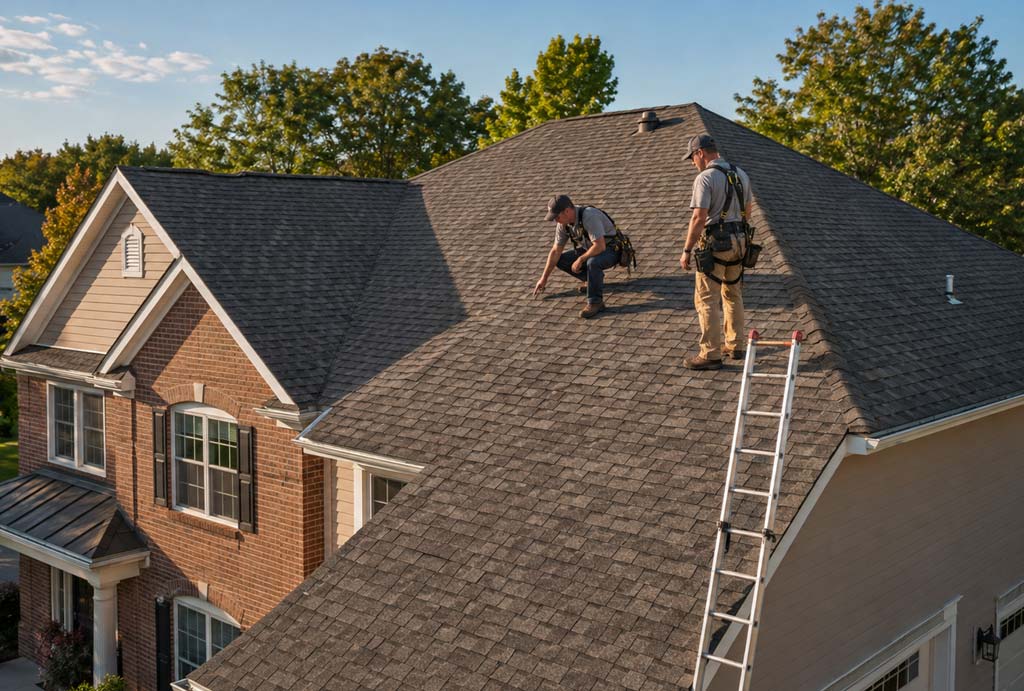
Yes, you should consider replacing your roof before winter if it has widespread deterioration, recurring leaks, storm damage, or signs that it is near the end of its useful life. Late summer gives Indianapolis homeowners time to inspect the roof, compare repair and replacement options, and complete necessary work before colder weather arrives.
However, not every older roof needs immediate replacement. Some roofing problems can still be corrected with a focused repair. The best decision depends on the roof’s overall condition not its age alone.
Why Late Summer Is a Good Time to Evaluate Your Roof
August may feel early to think about winter, but it is one of the best times to evaluate an aging roof. Indianapolis weather can shift quickly during fall, and winter may bring snow, ice, strong winds, freezing temperatures, and repeated freeze-thaw cycles.
Late-summer planning provides several advantages:
- Roofing materials generally install more efficiently during suitable warm-weather conditions.
- Homeowners have time to review estimates and material options.
- Existing leaks can be addressed before snow or ice makes them worse.
- A completed roof provides protection through fall rain and winter weather.
- Scheduling early may help homeowners avoid the rush that follows major storms.
Most residential roof replacements take only a few days once work begins, although scheduling, weather, materials, and roof complexity affect the full project timeline. Our guide to how long roof replacement takes in Indianapolis explains the process in greater detail.
Signs You May Need a New Roof Before Winter
A roof should be evaluated before winter when it shows multiple signs of age or failure. Warning signs include:
- Shingles that are cracked, curled, loose, or missing
- Large amounts of shingle granules collecting in gutters
- Recurring leaks in different areas of the house
- Water stains on ceilings or walls
- Soft, sagging, or damaged roof decking
- Worn flashing around chimneys, vents, and roof valleys
- Previous repairs that continue to fail
- Visible storm or wind damage
- A roof that is approaching the expected service life of its materials
One missing shingle does not automatically mean the entire roof needs replacement. Widespread deterioration is different. When several parts of the roofing system are failing, repeated repairs may only delay an unavoidable replacement while increasing the risk of interior damage.
A professional roof inspection can help determine whether the damage is isolated or affects the broader roofing system.
What Can Happen If You Wait Until Spring?
Waiting may be reasonable when the roof is structurally sound and only needs a minor repair. Waiting becomes risky when active leaks, weak shingles, damaged flashing, or deteriorated decking are already present.
Winter weather does not create every roofing problem, but it can expose existing weaknesses. Wind may lift loose shingles. Water can enter small openings before freezing and expanding. Snowmelt can also reach damaged flashing or worn roofing materials.
Ice dams are another concern. According to the National Weather Service, repeated melting and refreezing can allow water to move beneath shingles and enter the attic. Roof condition is only part of this issue. Attic air sealing, insulation, and ventilation also matter. ENERGY STAR recommends a well-sealed and properly insulated attic to reduce energy loss and improve home comfort.
Replacing a failing roof before winter can reduce exposure to these problems, but the project should also address ventilation, flashing, underlayment, and drainage where necessary.
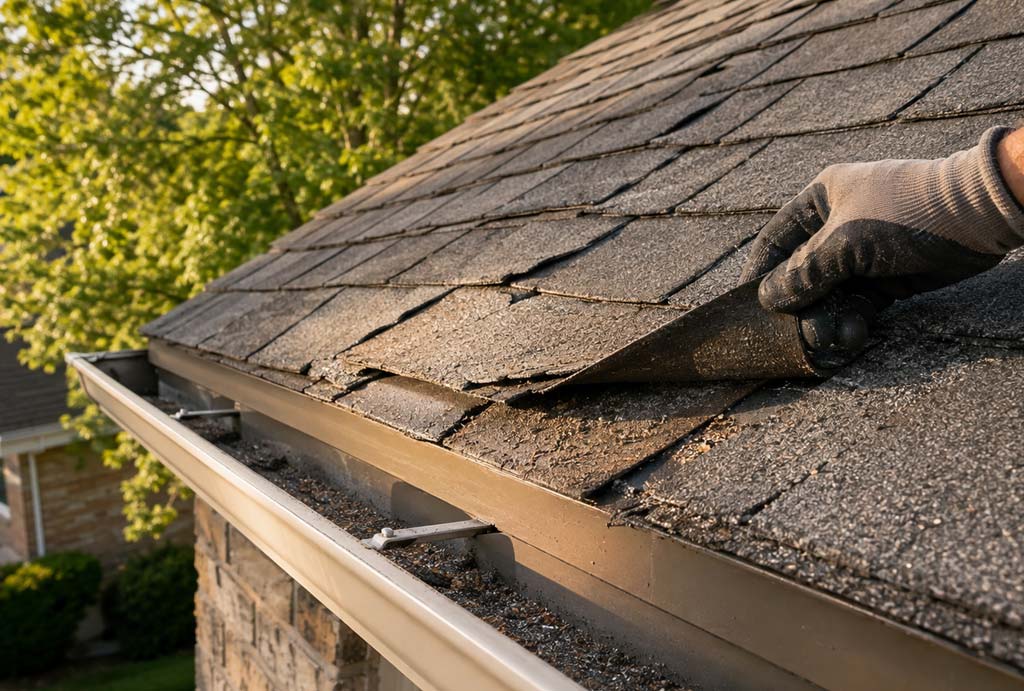
When a Roof Repair May Be Enough
Roof replacement is not always the most practical answer. A targeted roof repair may be appropriate when:
- Damage is limited to a small section.
- The remaining shingles are in good condition.
- The roof has not developed repeated leaks.
- The decking and underlayment remain sound.
- The roof is not near the end of its expected lifespan.
At Stay Dry Roofing, our goal is to recommend the option that fits the roof’s actual condition. If a repair can safely extend its life, we will explain why. If deterioration is too widespread for another repair to be dependable, we will show you what we found and discuss replacement options.
Schedule an Inspection Before Cold Weather Arrives
You do not have to decide whether to repair or replace your roof before calling us. That decision should follow a careful inspection.
Late summer gives you time to identify problems, understand the available options, and plan the work without waiting for a winter leak. If your Indianapolis roof is aging, deteriorating, or requiring repeated repairs, contact Stay Dry Roofing to schedule an evaluation before colder weather arrives.
Frequently Asked Questions
Is late summer a good time to replace a roof in Indianapolis?
Yes. Late summer often provides suitable installation conditions and gives homeowners time to complete the project before colder weather, falling leaves, snow, and ice arrive.
Can an asphalt shingle roof be replaced during winter?
Roof replacement may be possible during periods of acceptable winter weather. However, cold temperatures, snow, ice, and shorter daylight hours can affect scheduling and installation conditions. Completing the work earlier is often more predictable.
Should I replace my roof if it has leaked more than once?
Recurring leaks deserve a complete inspection. Multiple leaks may indicate widespread shingle, flashing, underlayment, or decking problems. The roof may still be repairable, but repeated failures can make replacement the more dependable long-term choice.
Is roof age enough to determine whether I need replacement?
No. Roof age is important, but installation quality, ventilation, storm exposure, maintenance, materials, and previous repairs also affect roof life. The roof’s current condition should guide the decision.
What should I do if I am unsure whether my roof can last another winter?
Schedule a professional inspection during late summer or early fall. An inspector can document visible deterioration, look for moisture-related problems, and explain whether repair, maintenance, or replacement is the safest next step.