

If you live in Indianapolis and you’re trying to figure out what a roof replacement will cost in 2026, we get it this is stressful. At Stay Dry Roofing we replace roofs every week, so we wrote this guide to pull together local market research, real cost ranges, and clear examples so you can plan with confidence. We reviewed the top local guides and national pricing resources, then combined that research with our local experience and certifications to give you a realistic, Indianapolis-specific picture.
The short answer
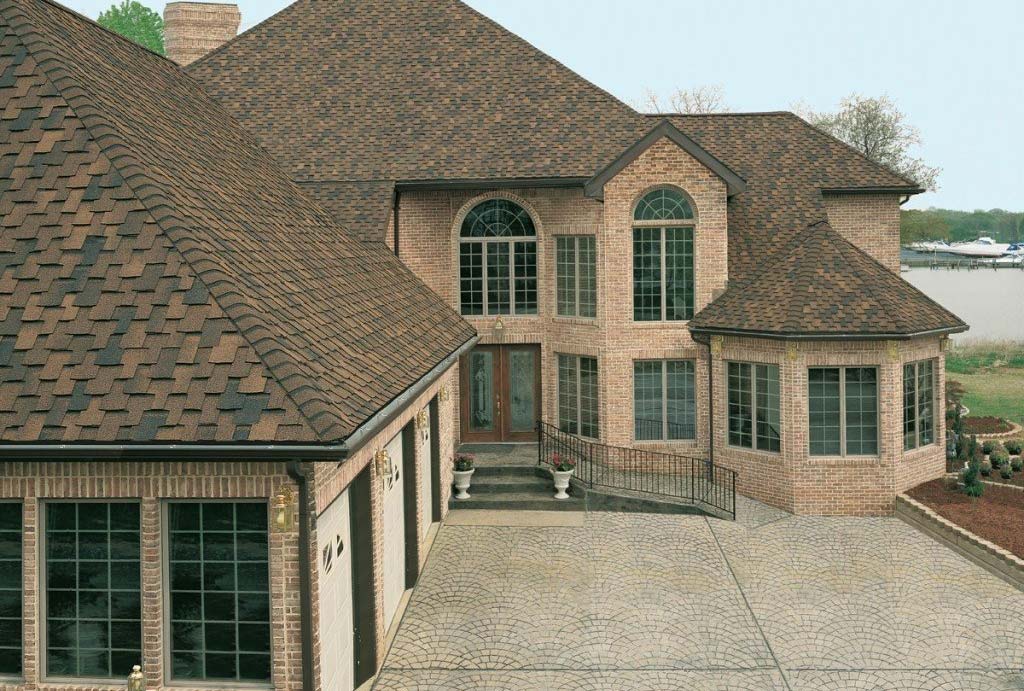
- For a typical Indianapolis asphalt architectural shingle roof, expect about $4.50 to $7.50 per square foot in 2026 for a full replacement (materials + labor). That range comes from current local price guides in Indianapolis.
- A full roof replacement for an average single-family house in Indianapolis typically falls between roughly $8,000 and $30,000, depending heavily on roof size, pitch, material, and any hidden damage under the old shingles. Nationally, averages cluster around the mid-$9,000s, but local materials and labor create a wide band.
Those are ranges not promises. Read on for the factors that drive the final number, real examples you can use for budgeting, insurance considerations, and why hiring a certified local contractor (like us) saves you money and hassle in the long run.
What changes the price?
A lot goes into the final cost of a roof replacement. Here are the parts that most often move the needle:
- Material type: Asphalt (three-tab or architectural) is the most common and the most budget-friendly. Metal, tile, and slate are much more expensive. For example, metal roofing costs in Indianapolis average significantly higher than asphalt often several times more depending on the product.
- Roof size and shape: Roofers price by roofing square (a 10×10 area = 1 square). Bigger roofs mean more materials and more labor. Complex roofs (many valleys, dormers, hips) take longer and cost more.
- Roof pitch and accessibility: Steep roofs require extra safety gear and time. Houses with tricky access or tight yards take longer to load and unload materials.
- Tear-off vs. re-roofing: Removing the old roof (tear-off) costs more than laying new shingles over an existing layer but doing multiple layers is not always allowed and can hide deck damage.
- Deck repair and hidden damage: Rotten decking, damaged underlayment, or flashing problems increase costs once we open the roof.
- Extras and code requirements: Ice & water shield, upgraded underlayment, ridge vents, new gutters, permit fees, and disposal all add to the bill.
- Labor and demand: Local labor rates and the current demand for roofers in Indianapolis influence pricing higher demand and busy storm seasons lift prices.
Material-by-material: typical Indianapolis pricing
Below we summarize common roofing materials and what they usually cost in the Indianapolis area in 2026. These numbers are local-market informed ranges — they reflect typical projects and common products homeowners choose.
- Architectural asphalt shingles (most common): $4.50 – $7.50 per square foot installed in Indianapolis for a complete replacement. That’s the most widely chosen option for good durability at a reasonable price.
- Basic asphalt / three-tab shingles: Lower upfront cost than architectural shingles, but shorter life. Expect the low end of asphalt pricing.
- Metal roofing: Metal is more expensive but very durable. In Indianapolis, metal roof projects frequently average in the tens of thousands. Angi’s local data shows metal roof projects often average around $28,000 in our market but can vary widely by profile and gauge.
- Tile and slate: These are premium options. They last a long time, but the installed cost can be multiple times asphalt, and structural reinforcement may be required.
- Premium synthetic or specialty products: Expect prices between architectural asphalt and metal depending on brand and installation complexity. National resources show wide ranges, so material choice drives major cost differences.
Real Indianapolis examples
We’ll keep the math simple and use the per-square-foot ranges referenced above. Roofers typically measure “roof area” rather than heated living space, so these are rough examples for a homeowner to use in planning.
Example 1: Smaller one-story home (1,500 sq ft roof area)
We’ll multiply area × per-sq-ft price. Step-by-step:
- Low end: 1,500 × $4.50 = 1,500 × 4 + 1,500 × 0.5 = 6,000 + 750 = $6,750.
- High end: 1,500 × $7.50 = 1,500 × 7 + 1,500 × 0.5 = 10,500 + 750 = $11,250.
So, plan roughly $6,750 to $11,250 for a straight architectural shingle replacement on this size roof (excluding major decking repairs or added features).
Example 2: Typical two-story home (2,100 sq ft roof area)
- Low end: 2,100 × $4.50 = 2,100 × 4 + 2,100 × 0.5 = 8,400 + 1,050 = $9,450.
- High end: 2,100 × $7.50 = 2,100 × 7 + 2,100 × 0.5 = 14,700 + 1,050 = $15,750.
Estimate $9,450 to $15,750 for an architectural shingle replacement on this roof if the project is straightforward.
Example 3: When metal is chosen (same 2,100 sq ft roof)
Angi local averages put metal projects much higher; if your installer quotes metal at, say, $11 per square foot (a realistic metal baseline depending on profile):
- 2,100 × $11.00 = 2,100 × 10 + 2,100 × 1 = 21,000 + 2,100 = $23,100.
That’s why many homeowners pick architectural shingles for budget reasons and metal for longevity or curb appeal.
Note: these examples are for budgeting only. Your actual quote will reflect roof complexity, permits, underlayment upgrades, ice & water shield, ventilation, flashing replacement, and any deck repairs.
Hidden costs and common add-ons to plan for
When you get quotes, ask whether these items are included or priced separately:
- Tear-off and disposal: removing old shingles and hauling debris.
- Decking replacement: rotten wood found under shingles. This is a frequent surprise on older roofs.
- Ice & water shield: extra protection in valleys and eaves (recommended in Indy winters).
- New flashing and step-flashing around chimneys and vents.
- Upgraded underlayment or synthetic underlayment (better performance than standard felt).
- Ridge vents or attic ventilation improvements (good ventilation increases shingle life).
- Permit and inspection fees required by local building codes.
- Gutter replacement or fascia repairs that are sometimes discovered during a reroof.
When Insurance helps and when it won’t
Homeowners insurance typically covers roof replacement only if the damage is from a covered peril like hail, wind damage, or fire. Insurance does not cover wear and tear or roofs at the end of their normal lifespan. If your roof is storm damaged, filing a claim may cover the replacement minus your deductible, but every policy and situation is different. Keep records and call your agent to confirm coverage before assuming insurance will pay.
If you have storm damage, a certified local contractor (and one experienced with insurance claims) can help document damage and present a clear scope to your adjuster. That makes the process smoother and reduces denials or underpayment.
How to get accurate, comparable quotes
- Get at least 3 written estimates that break down materials, labor, tear-off, and allowances for decking repairs.
- Compare apples to apples same number of tear-offs, same underlayment, same shingle brand/line, same warranties.
- Ask about warranties manufacturer warranty vs. workmanship warranty. A GAF Master Elite contractor can offer enhanced GAF warranties when qualified systems are installed.
- Check credentials verify local reviews, licensing, insurance, and manufacturer certifications. Look for A+ BBB, manufacturer Master Elite status, and local references.
- Don’t make price the only factor the cheapest bid may skip essential details (ice & water shield, flashing replacement, or deck repairs). Over time, a slightly higher quality installation saves money.
Ways to reduce cost without sacrificing protection
- Choose architectural shingles (best value) better life and aesthetics than basic three-tab.
- Schedule outside of peak storm season if possible (timing can sometimes reduce wait times and costs).
- Bundle projects (e.g., roof + gutters) with one contractor for better pricing.
- Ask about financing many reputable local roofers offer financing so the cost can be spread over time. Stay Dry Roofing frequently provides financing options and homeowner rebates for veterans and certain product upgrades.
Why a certified, local contractor matters
We’re not just quoting numbers we stand behind the work:
- GAF Master Elite status fewer than 2% of roofers earn this certification; it allows access to GAF’s best warranties when the system is installed properly. That’s a big value when you think about long-term protection and resale.
- Local experience we know how Indianapolis weather stresses roofs (hot summers, freeze–thaw, hail), and we specify products and details that perform well here.
- A+ BBB and hundreds of five-star reviews local proof matters when you’re hiring someone to protect your biggest investment.
When you call us, we do a thorough inspection and supply a transparent, itemized estimate so you know exactly what you’re paying for and why.
A few final tips before you sign
- Ask for photos of previous projects and references in your area.
- Confirm licensing and insurance (liability and workers’ comp).
- Make sure warranties are written in the contract. Understand who handles future warranty service.
- If a hail storm just hit, document damage with photos and call your insurance agent early waiting can weaken your case.
Ready to plan your 2026 Indianapolis roof replacement?
If you want a local, honest quote from a GAF Master Elite contractor with an A+ BBB rating, we’re here to help. We’ll inspect, explain your options clearly, and provide an itemized estimate so you can make the best choice for your home.
Call Stay Dry Roofing at (317) 308-7773 or schedule a free inspection. We work with homeowners across Indianapolis and make roof replacement confident and straightforward.