

Winter does not always leave a roof with obvious damage. Sometimes it leaves tiny failures that are easy to miss from the driveway: a cracked shingle edge, a loosened seal around a vent, a lifted flashing line, or an ice-dam trail that dries up before you notice it. In Indiana, those small issues can sit quietly through late winter and then show themselves when spring rain starts falling harder and longer. Freeze-thaw cycles matter because water expands when it freezes, and ice dams can force water back under roofing materials and into the home. That is why a roof can look fine in March and still leak during an April downpour.
At Stay Dry Roofing, we write guides like this for homeowners who just survived a rough winter and are now trying to figure out whether they have real roof damage or just normal spring cleanup. The answer is usually somewhere in the middle: a roof may look okay on the surface while hidden roof leaks are developing underneath. That is exactly why a Post-winter roof inspection Indianapolis homeowners can trust matters so much before the spring storms settle in.
Why winter damage often stays invisible
The toughest part about winter roof damage is that it does not always announce itself right away. Repeated freeze-thaw cycles can open small gaps, weaken seals, and loosen flashing bit by bit. Water gets into a tiny opening, freezes overnight, expands, and makes the opening larger. Over time, those small gaps become pathways for moisture. Ice dams can make the problem worse by trapping meltwater on the roof and pushing it back toward cracks and openings in the roof covering.
That is why many hidden problems do not show up during the coldest part of the year. They become obvious later, when the roof gets hit with steady rain, higher humidity, and longer wet periods. In other words, winter damage often turns into spring leak damage. A roof that never dripped during a cold snap may start leaking the moment April weather brings sustained rainfall.
What freeze-thaw really does to a roof
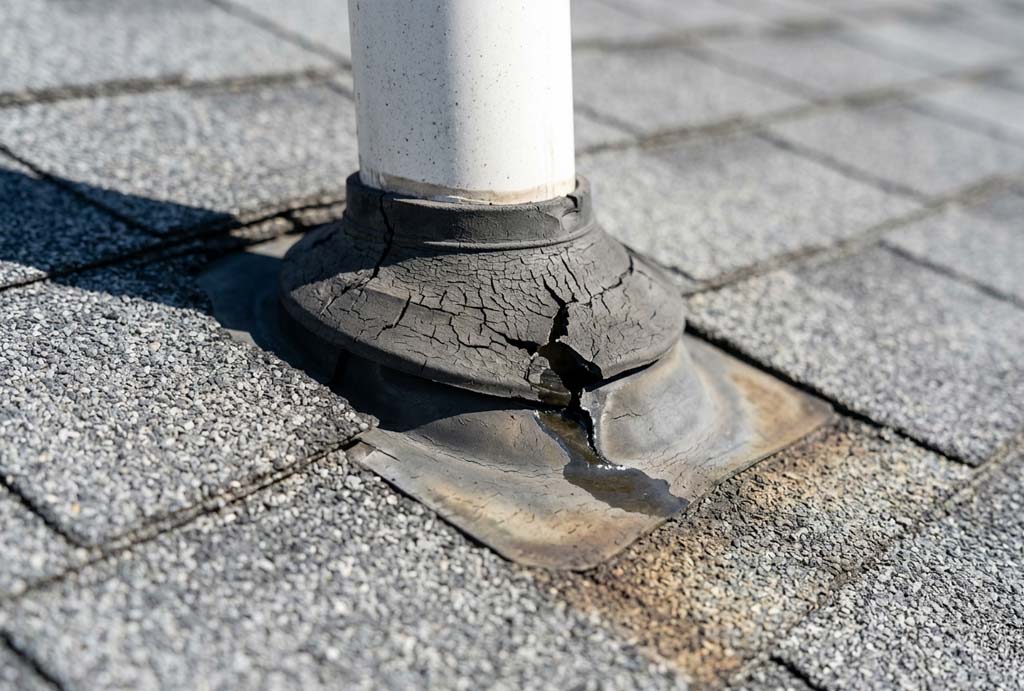
Freeze-thaw cycles do not need a giant storm to cause trouble. They work slowly. A small crack in a shingle can widen. A seal around a vent boot can dry out and pull apart. A piece of flashing can shift just enough to let water in. Once that happens, the roof may still shed water during light weather, but heavy rain gives moisture more time and pressure to find the weak spot. That is when hidden roof leaks show up.
Ice dams are another major reason winter damage stays hidden. When one part of the roof is warmer than another, snow melts, runs downhill, and refreezes at the colder edge. Water then backs up behind the dam and can seep under the roof covering into the attic, walls, or ceiling insulation. By the time you see a stain indoors, the damage may have been building for weeks.
Why April rains are the real test
Central Indiana weather can turn fast in early spring. NOAA documented heavy rain across central Indiana from April 2 to April 5, 2025, with some areas seeing more than 7 inches in 96 hours and weekly totals over 8 inches. NOAA also reported that April 2025 brought anomalously heavy rainfall at Indianapolis, with a 97-percentile total and widespread flooding in the region. That kind of wet stretch is exactly what exposes winter roof damage that stayed hidden during colder, drier weather.
That is why we tell homeowners to treat the first big spring rain like a stress test. If your roof survived winter but leaks during a heavy April storm, that does not mean the storm created the problem. More often, the storm revealed it.
Where hidden roof leaks usually start
Most hidden roof leaks start in the same high-risk spots: around chimneys, vents, skylights, valleys, gutters, and roof edges. Those areas collect water, move differently than the rest of the roof, and rely on tight seals to stay dry. Stay Dry Roofing’s repair services focus on those common trouble spots, including leaks around gutters, vents, and chimneys, because that is where winter stress often shows up first.
Here is what we look for when we inspect a home after winter:
- Small cracks in shingles that can be hard to see from the ground
- Lifted or brittle shingle edges
- Loose, rusted, or shifted flashing
- Cracked sealant around plumbing vents or chimneys
- Granule loss that leaves shingles looking worn or patchy
- Soft spots near valleys or roof transitions
- Evidence of moisture in the attic or around insulation
None of those signs may look dramatic on their own. But together, they can tell us a roof is vulnerable before the next storm rolls through.
Signs you may already have hidden roof leaks
The earliest warning signs of roof trouble often show up inside the home, not outside. Watch for water stains on ceilings, peeling paint near upper walls, damp insulation, musty attic odors, or a drip that appears only after heavy rain. Those signs suggest moisture is finding a path through the roof system, even if the roof still looks normal from the street. Spring inspections commonly catch exactly these kinds of problems before they become more expensive.
If you notice a stain that seems to come and go, do not dismiss it. Intermittent leaks are common when winter damage only opens enough to let water through during long, soaking rain. A small stain may be the first visible clue that a much larger problem is waiting above it.
Your Post-winter roof inspection Indianapolis checklist
A good spring check does not need to be complicated. It just needs to be thorough.
Start outside. Look at shingles for lifted edges, cracking, curling, or areas where granules have thinned out. Check the roof valleys and the edges where the roof meets gutters. Look around vents, chimneys, skylights, and pipe boots for cracked caulk or loose flashing. If you can safely view the attic, check for damp insulation, dark spots on the roof decking, or daylight coming through where it should not.
Then pay attention after the next rain. If you see a new stain, hear dripping, or smell a damp attic odor, that is the moment to take it seriously. Spring storms are not the time to wait and hope the problem disappears.
A simple post-winter inspection should answer three questions:
- Is there visible roof damage?
- Is there evidence of hidden moisture inside?
- Is the damage isolated enough for repair, or widespread enough to justify replacement?
Why a small leak can become a big one fast
A roof leak rarely stays in one place. Water travels. It can enter at one point and show up far away from the actual opening. It can soak underlayment, stain drywall, weaken wood, and damage insulation before the leak becomes obvious. That is one reason we always encourage homeowners to act quickly when they suspect trouble. Stay Dry Roofing also notes that, when storm or hail damage is involved, insurance timing can matter and prompt inspection helps homeowners understand their options sooner rather than later.
When a roof is already weakened by winter, a spring storm can accelerate the problem. That is especially true if the roof has older sealant, previous repairs, or drainage issues. The storm does not need to be severe to create damage. It just needs to find a weak point.
Repair now or replace later?
Not every spring leak means a full roof replacement. Sometimes the roof needs a focused repair: new flashing, a sealed vent boot, replacement shingles, or a corrected leak path. Stay Dry Roofing’s guidance is straightforward: if damage is minor, repair may be the best choice; if the roof is old, heavily damaged, or past its lifespan, replacement may make more sense long term. We provide free inspections so homeowners can make that call with real information, not guesswork.
That is the smartest way to approach spring roofing. Fix the problem that exists now. Do not pay for a larger solution unless the roof truly needs it.
Why homeowners call Stay Dry Roofing after winter
We are built for the kind of weather Indiana throws at homes. Stay Dry Roofing serves residential and commercial roofing needs in the Indianapolis area, has over nine Indy locations, and offers roof repair, roof replacement, commercial roofing, siding, and gutter services. We also provide free roof inspections and emergency repair support across Indianapolis and nearby communities like Avon, Carmel, Fishers, Greenwood, and Noblesville.
That matters because spring roof problems are rarely one-size-fits-all. Some homes need a fast leak fix. Others need a more detailed post-winter roof inspection to figure out where water is getting in. Our job is to help you understand the roof you have today, what winter may have done to it, and what should happen before the next storm.
What we want you to remember this spring
If your home made it through winter, that is a win. But surviving winter is not the same as escaping damage. Freeze-thaw cycles can create micro-cracks, loosen seals, and weaken vulnerable roof areas without leaving obvious signs on the surface. Then April rain arrives and reveals the hidden problem. That is why spring roof care is not optional in Indiana. It is preventive home protection.
The best time to catch hidden roof leaks is before they become ceiling stains, soaked insulation, or major repairs. The second-best time is right now.
Frequently asked questions
How soon should I schedule a spring inspection?
As soon as winter ends and before long April rain systems move through. If you already see a stain or smell moisture, do not wait.
Can a roof leak only during heavy rain?
Yes. Some leaks only show up when water has enough volume or time to work through a small opening.
Do I need a full replacement if I find winter damage?
Not always. Many problems can be repaired if the roof is otherwise in good shape.
What is the biggest mistake homeowners make after winter?
Waiting too long because the roof looks fine from the ground. Hidden damage often starts where you cannot see it.
Let’s find the damage before the rain does
If you just came out of a rough winter and you are worried about hidden roof leaks, now is the time for a Post-winter roof inspection Indianapolis homeowners can rely on. Stay Dry Roofing is here to help you catch the damage early, explain what we find clearly, and protect your home before spring storms turn a small issue into a costly one.