

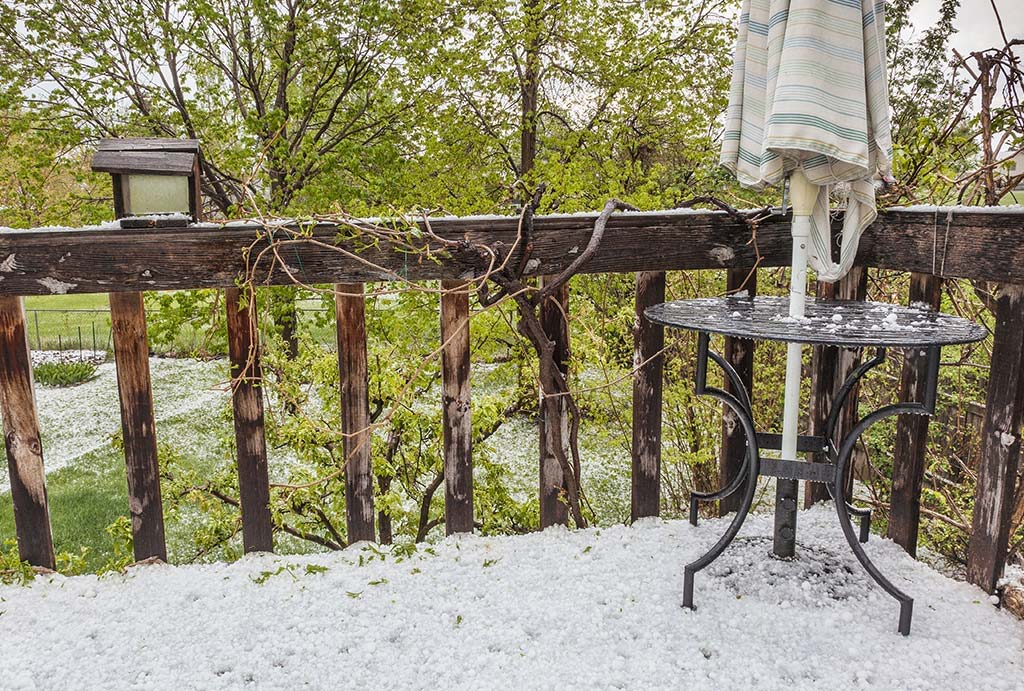
When a storm rolls through Indianapolis, hail can do damage you don’t notice right away. We’re Stay Dry Roofing local roofers who see hail damage after almost every big storm. This guide gives you a clear, step-by-step checklist to spot hail damage on your roof safely, document what you find, and know when to call us or your insurance company. Follow these steps and you’ll protect your home from small problems turning into big, expensive repairs.
Before you start. Safety always comes first
Do not climb onto your roof after a storm unless you’re trained and have the right gear. Wet shingles and unseen damage make roofs slippery and dangerous. Instead, start with a ground-level walkaround and use binoculars or photos from a safe vantage. If anything looks serious, call a professional for a roof inspection. This keeps you safe and gives an expert opinion you can trust.
What hail damage looks like
Hail can affect different parts of your house: asphalt shingles, metal flashing, vents, gutters, skylights, siding, and even your HVAC units or cars. Common signs include:
- Dented gutters or downspouts.
- Dark spots or “bruises” on shingles where granules are knocked loose.
- Dents in metal vents, flashing, or roof accessories.
- Granule buildup in gutters or on the ground.
- Cracked or missing pieces on tile or slate roofs.
If you see dents on cars, patio furniture, or AC units, your roof most likely took hits too that’s a strong signal to inspect the roof.
Step-by-step checklist. What to do and look for
Step 1: Wait until it’s safe, then walk the perimeter
After the storm, wait until roads and yards are clear of heavy debris and it’s safe to move around. Walk all the way around your house and look up at the roofline, gutters, siding, and any outdoor equipment. Take wide-angle photos from each side of the house they’ll help later when you compare “before and after.”
Step 2: Check gutters, downspouts and the ground
Look for black, sand-like granules in gutters and downspouts. Granule loss is one of the easiest early signs of shingle damage. Also look for dents in gutters or downspouts those dents often match impacts that happened to the shingles above. Collect any broken shingle pieces you find on the ground and photograph them.
Step 3: Look for dark spots and “bruised” shingles
From the ground or a safe second-floor window, scan the roof for dark spots, pockmarks, or areas that look smoother and shinier than surrounding shingles. Those are often where granules were knocked off and the asphalt is exposed it looks like a bruise and can lead to leaks later. Take close-up photos with your phone for each suspicious area.
Step 4: Inspect metal components and vents
Metal vents, exhaust caps, flashing, and chimney caps often show dents before shingles fail because they’re softer. If vent covers, flashing around chimneys, or pipe boots are dented or cracked, the impact was forceful enough to potentially damage the roof covering nearby. Also check skylights for cracked glass or pitting.
Step 5: Check HVAC units, siding and exterior items
If your air conditioner fins are dented, siding has holes or paint chips, or outdoor furniture and vehicles show hail impacts assume the roof took similar hits. These exterior signs are great indicators to inspect the roof more closely or call a pro.
Step 6: Photograph everything with dates and details
Use your phone to take clear photos from multiple angles. Photograph wide shots of each side of the house, and close-ups of every dent, dark spot, or missing granule area. Note the date, time, and storm details in the photo captions or a notebook. Good documentation speeds up insurance claims and helps your roofer estimate repairs.
Step 7: Do a safe attic check if you can
If it’s safe to access your attic, look for signs of water intrusion: dark stains, damp insulation, or visible daylight through the roof decking. Attic evidence of water or rot can confirm that roof damage is already causing interior problems. If you’re unsure, leave attic inspection to professionals we can do a thorough, safe check.
Step 8: Don’t try risky DIY repairs; call a pro
Even small patches can go wrong without the right materials and techniques. If you find obvious damage (missing shingles, exposed felt, cracked tiles, or water stains inside), call Stay Dry Roofing for a proper inspection and repair plan. We document damage for you and help with the next steps.

What we look for during a professional inspection
When you call us, we’ll do a thorough inspection that includes:
- A full roof scan for bruised shingles, cracking, or granule loss.
- Metal flashing, vent, and skylight inspection for dents or tears.
- Gutters and downspout examination for unusual granule buildup.
- Attic inspection for leaks, rot, or daylight through decking.
- A written report with photos and an honest recommendation: repair, partial replacement, or full replacement.
We also walk you through the insurance process if you plan to file a claim documenting everything the insurance adjuster will want to see.
When to call your insurance company
If you find consistent hail impacts across multiple parts of the roof, dents on metal components, or granule loss in gutters, you should contact your insurer. Don’t wait until a leak appears, many policies require prompt reporting after a storm. We can help by providing the inspection report and photos you’ll need for a claim.
Common homeowner questions
Can small hailstones really damage shingles?
Yes. Even pea-to-dimed size hail can bruise shingles and knock off granules. Repeated hits or larger hail increases the risk of shingles failing prematurely.
Is a single dark spot serious?
One small dark spot might not mean immediate failure, but it shows impact. If you find multiple spots or granules in gutters, that’s more serious and worth a professional inspection.
Will the insurance company cover hail damage?
Many homeowners policies cover storm and hail damage, but coverages and deductibles vary. Document everything and start with an inspection to give your insurer clear evidence. We help homeowners through the documentation and claims process.
Final tips from Stay Dry Roofing
- Document everything. Photos and dates protect your claim and speed repairs.
- Check gutters after storms. Granule buildup is an early red flag.
- Let pros inspect steep or tall roofs. Safety and accuracy matter.
- Act now if you see multiple signs. Small damage can lead to leaks and rot if left unrepaired.
Need help? We’re local and we’ll handle the rest
If your Indy home was in a hailstorm and you spotted any of the signs above, call Stay Dry Roofing. We’ll do a safe, full inspection, document everything, and give you a clear repair plan plus help with insurance paperwork if needed. Visit our site to learn more or schedule an inspection.