

Your attic isn’t just spare space above your ceiling it’s the first line of defense for your roof. When insulation and ventilation work together the right way, your roof lasts longer, your energy bills drop, and problems like mold and ice dams stay away. When they don’t, small issues become costly repairs. Below, we explain how attic insulation and ventilation affect your roof, what to watch for in the Indianapolis area, and how we at Stay Dry Roofing approach fixes and upgrades.
Why attic insulation and ventilation matter
Attic insulation slows heat flow between your home and the outdoors. Ventilation moves air through the attic, so moisture and extreme heat don’t get trapped. Together they control temperature swings and moisture levels in the attic and those two things determine how long roofing materials last and how well your house performs.
In summer, a hot attic can bake shingles from underneath, making them age faster and forcing your air conditioner to run more. In winter, warm air that leaks into the attic melts roof snow; that meltwater can refreeze at the eaves and form ice dams, which push water under shingles and into your home. Poor ventilation and inadequate insulation are the two usual suspects behind these problems.
The two big problems: heat and moisture
Heat: In hot months the attic can become significantly hotter than the outside air. That extra heat stresses shingles and shortens their life. It also transfers into your living spaces, making upstairs rooms uncomfortable and increasing cooling costs. Over time, this speeds up the need for roof replacement.
Moisture: Moisture is often the more destructive issue. Everyday activities showering, cooking, using the dryer or even breathing put water vapor into your home. If that warm, moist air finds pathways into the attic (through gaps, recessed lights, attic hatches or plumbing chases) and can’t get out, it condenses on cold surfaces. That leads to mold, rot, and ruined insulation and rotten framing or sheathing can mean structural repairs and roof leaks. In our climate, these patterns are common and expensive when left alone.
How insulation and ventilation interact
Think of insulation as the blanket and ventilation as the breath. Insulation keeps heat from moving between the living space and the attic. Ventilation allows the attic to “breathe” so heat and moisture can escape. If you add insulation but block ventilation pathways (for example stuffing attic floor insulation into eave soffits or covering baffles), you trap air where it doesn’t belong. That’s when problems start.
Proper attic performance depends on balance:
- Intake vents (usually soffit vents) pull cool outside air in at the eaves.
- Exhaust vents (ridge vents, gable vents, or powered vents) let warm, moist air out near the roof peak.
- The attic needs clear channels for air to move from intake to exhaust attic baffles keep insulation from blocking those channels.
- The amount of ventilation should match the attic size and the insulation strategy so air flows efficiently without over-ventilating or under-ventilating.
Common signs your attic system isn’t working
Watch for these red flags that your attic is telling you something’s wrong:
- High energy bills and hot upstairs rooms in summer.
- Ice dams, icicles, or frost on the roofline in winter. Large or persistent icicles often indicate heat is melting snow on the roof a sign of inadequate insulation or ventilation.
- Musty smells, visible mold, or damp insulation.
- Buckling or prematurely aging shingles.
- Frost or black staining on sheathing inside the attic.
If you see any of the above, get a professional attic inspection. Problems that are easy to fix early can become major structural repairs later.
Practical fixes that actually work
Here’s how we approach attic problems at Stay Dry Roofing simple, effective, and designed for Indiana weather:
- Seal air leaks first. Before adding insulation, we seal common leak paths (attic hatches, plumbing stacks, light fixtures, recessed cans, and HVAC runs). Sealing prevents warm, moist air from reaching cold surfaces where it condenses.
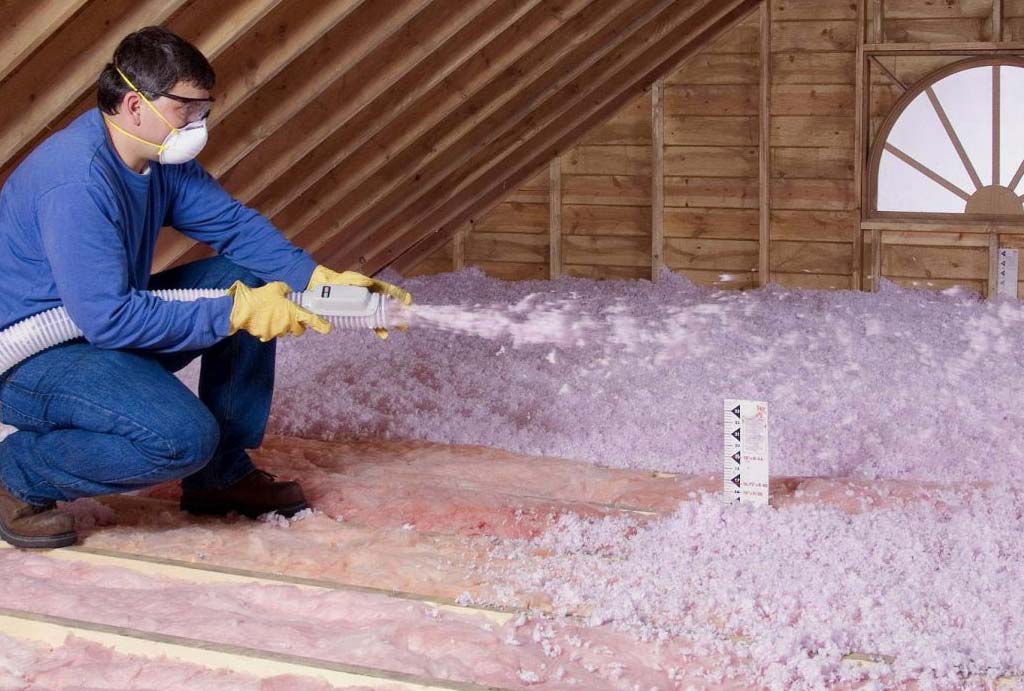
- Add insulation to meet recommended R-values. Indiana homes generally benefit from higher R-values in the attic floor. We evaluate existing insulation type and depth and recommend the right upgrade (blown-in cellulose, fiberglass, or spray foam in targeted locations) depending on budget and performance goals.
- Restore and balance ventilation. We install or correct soffit intakes and ridge or exhaust vents so air can flow properly from eave to ridge. We also install baffles where insulation threatens to block intake vents. Balanced intake and exhaust is the single most effective step for avoiding ice dams and moisture problems.
- Use targeted solutions for tricky spots. Where attic geometry or multiple penetrations exist, we combine spot spray foam to seal problem areas with blown insulation for the rest of the attic. This hybrid approach controls air leakage while keeping costs reasonable.
- Inspect the roof deck and shingles. If moisture or rot already damaged sheathing, we repair those sections before sealing and insulating so you’re not trapping worse problems under new materials.
This step-by-step approach solves the root causes rather than masking symptoms and it helps your roof reach the lifespan it was meant to have.
Why local climate matters: Indiana specifics
Indiana swings from hot, humid summers to freezing winters. That swing makes proper attic design extra important summer heat destroys materials over time while winter freeze-thaw cycles create ice dam risks if heat escapes into the attic. Because of that, we always design attic fixes with local weather in mind and inspect for seasonal issues like roof leak patterns after snow and summer moisture migration. Local experience helps us pick the right vent configuration and insulation level for every home.
What to expect during a professional attic inspection
When we inspect your attic, we don’t just count inches of insulation. Expect a full check of:
- Air-sealing opportunities (gaps, chases, recessed fixtures).
- Ventilation balance (intake vs. exhaust and blocked soffits).
- Baffle placement and airflow pathways.
- Evidence of moisture, mold, or rotted sheathing.
- Recommended R-value targets and cost-effective insulation options.
After the inspection we’ll give you a simple summary and a prioritized plan. Small repairs first (seal gaps, restore airflow), then insulation upgrades if needed.
Long-term benefits you’ll notice
When attic insulation and ventilation are correct, most homeowners see:
- Lower energy bills and more comfortable upstairs rooms.
- Reduced risk of ice dams and winter roof damage.
- Less likelihood of mold, rot, and damaged insulation.
- Longer roof life and fewer surprise repairs.
In short: spending on attic performance protects the roof investment and the rest of the home.
Ready to check your attic?
We’ve helped hundreds of central Indiana homeowners diagnose and fix attic problems before they turned into emergencies. If you’re seeing high energy bills, ice dams, or musty attic smells, let us take a look. Our inspections are clear, honest, and focused on long-term value, not quick fixes.
Call us or request an inspection online and we’ll walk you through what’s needed, why it matters, and how to prioritize fixes for your home.