

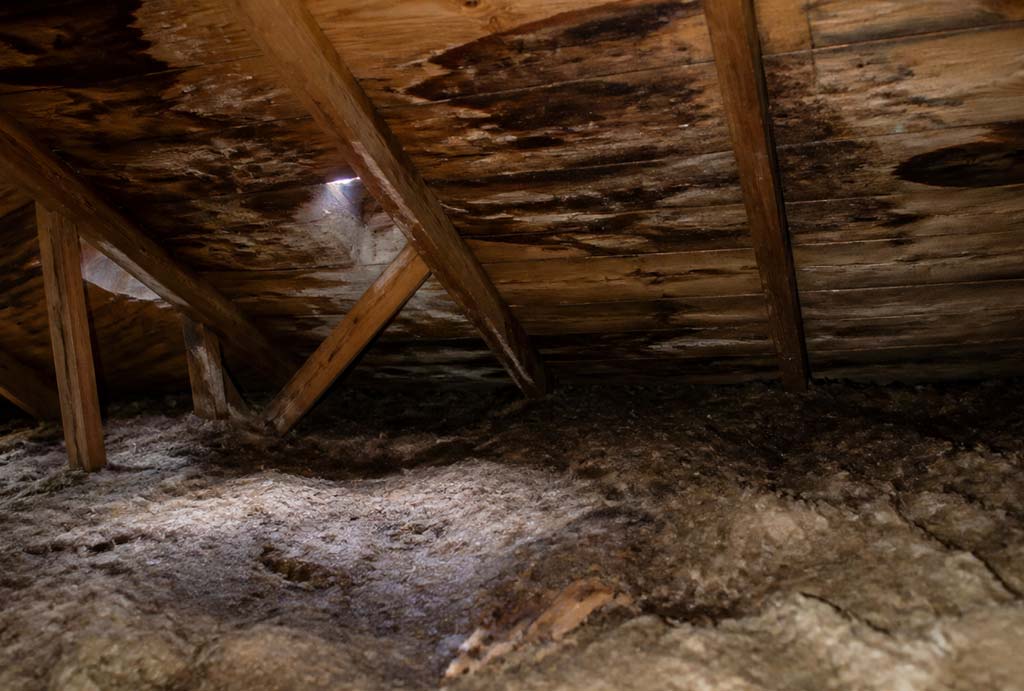
Most homeowners know to look for missing shingles after a storm. They may check for visible leaks, fallen branches, or hail damage. However, one of the most serious roofing problems often develops out of sight and can remain hidden for months or even years. Roof deck rot is a common issue that frequently begins after spring storms and moisture intrusion but often goes unnoticed until significant damage has already occurred.
At Stay Dry Roofing, we regularly inspect roofs throughout Indianapolis and surrounding communities where hidden roof deck rot has developed beneath otherwise normal-looking roofing materials. What starts as a small leak or minor storm-related issue can gradually weaken the structure supporting your roof, leading to costly repairs if not addressed early.
Understanding the warning signs of hidden roof deck rot after spring storms can help homeowners protect their investment and avoid major roofing problems down the road.
What Is Roof Deck Rot?
The roof deck, sometimes called roof sheathing, is the layer of wood installed between your home’s structural framing and roofing materials. It serves as the foundation that supports shingles, flashing, underlayment, and other roofing components.
When moisture penetrates the roofing system and remains trapped, the wood decking can begin to deteriorate. Over time, prolonged exposure to water allows fungi and decay organisms to break down the wood fibers, weakening the structural integrity of the roof.
Unlike a missing shingle or damaged gutter, roof deck rot is rarely visible from the ground. Many homeowners do not discover it until a professional inspection or roof replacement reveals the hidden damage.
Why Spring Storms Often Lead to Roof Deck Rot
Spring is one of the wettest seasons in Indiana. Indianapolis homeowners frequently experience:
- Heavy rainfall
- Wind-driven storms
- Hail events
- Fallen tree limbs
- Rapid temperature changes
These conditions can create openings in the roofing system that allow moisture to enter.
Common storm-related issues include:
- Lifted shingles
- Cracked shingles
- Damaged flashing
- Punctures from debris
- Gutter overflows
- Ice damage carried over from winter
While some storm damage is immediately obvious, many problems create small entry points that allow water to slowly infiltrate the roof deck over time.
Because the moisture intrusion may be minor at first, homeowners often remain unaware until rot has progressed significantly.
How Roof Deck Rot Develops
Roof deck rot is usually not caused by a single storm event.
Instead, it develops gradually through repeated moisture exposure.
The process often looks like this:
- A storm damages a roofing component.
- Water enters through a small opening.
- Moisture becomes trapped beneath shingles or underlayment.
- The wood deck absorbs water.
- Repeated wetting prevents proper drying.
- Decay organisms begin breaking down the wood fibers.
- Structural weakening progresses over months or years.
The longer moisture remains trapped, the greater the damage becomes.
Warning Sign #1: Ceiling Water Stains
One of the most common indicators of hidden roof deck rot is ceiling discoloration.
Water stains may appear as:
- Yellow spots
- Brown rings
- Dark streaks
- Peeling paint
Many homeowners assume a stain is an isolated incident that occurred during a previous storm.
However, recurring stains often indicate an active moisture problem that continues to affect the roofing structure.
Even small stains deserve professional evaluation because the damage above the ceiling may be much larger than what is visible inside the home.
Warning Sign #2: A Sagging Roof Surface
A roof should appear relatively straight and uniform.
If you notice sections of the roof that appear:
- Wavy
- Uneven
- Sunken
- Sagging
there may be underlying deck deterioration.
As wood rot progresses, the decking loses strength and may no longer support roofing materials properly.
This condition requires prompt attention because structural weakening can worsen quickly once rot becomes extensive.
Warning Sign #3: Soft Spots on the Roof
During professional inspections, one of the most telling signs of deck rot is the presence of soft areas beneath the shingles.
A weakened roof deck may feel spongy or unstable when walked upon.
Homeowners should never attempt to test this themselves because compromised decking may create safety hazards.
Professional roofers can safely identify these conditions during an inspection.
Warning Sign #4: Persistent Roof Leaks
A recurring roof leak is often a symptom of a larger issue.
If repairs seem to solve the problem temporarily but leaks return during future storms, hidden moisture damage may exist beneath the roofing materials.
Rotting decking can allow roofing components to shift, creating new pathways for water intrusion.
Simply addressing the visible leak without investigating the underlying structure may leave the real problem unresolved.
Warning Sign #5: Mold or Musty Odors
Moisture trapped inside a roofing system creates an ideal environment for mold growth.
Homeowners may notice:
- Musty smells in the attic
- Damp odors near ceilings
- Visible mold growth on framing
While mold itself does not always indicate deck rot, both conditions often share the same root cause: excessive moisture.
Any unexplained attic moisture should be investigated promptly.
Warning Sign #6: Damaged or Wet Attic Insulation
Your attic can reveal roofing issues long before they become visible inside living areas.
Signs to watch for include:
- Compressed insulation
- Wet insulation
- Dark water stains
- Damp wood framing
Because insulation retains moisture, it can help conceal ongoing leaks that contribute to deck deterioration.
Routine attic inspections are one of the best ways to catch problems early.
Warning Sign #7: Excessive Shingle Deterioration
Sometimes roof deck rot becomes apparent through changes in the roofing materials themselves.
You may notice:
- Curling shingles
- Buckling shingles
- Uneven roof surfaces
- Repeated shingle failures
As the decking beneath deteriorates, it can affect how shingles lay and perform.
If certain sections of your roof appear to age faster than others, underlying moisture damage may be present.
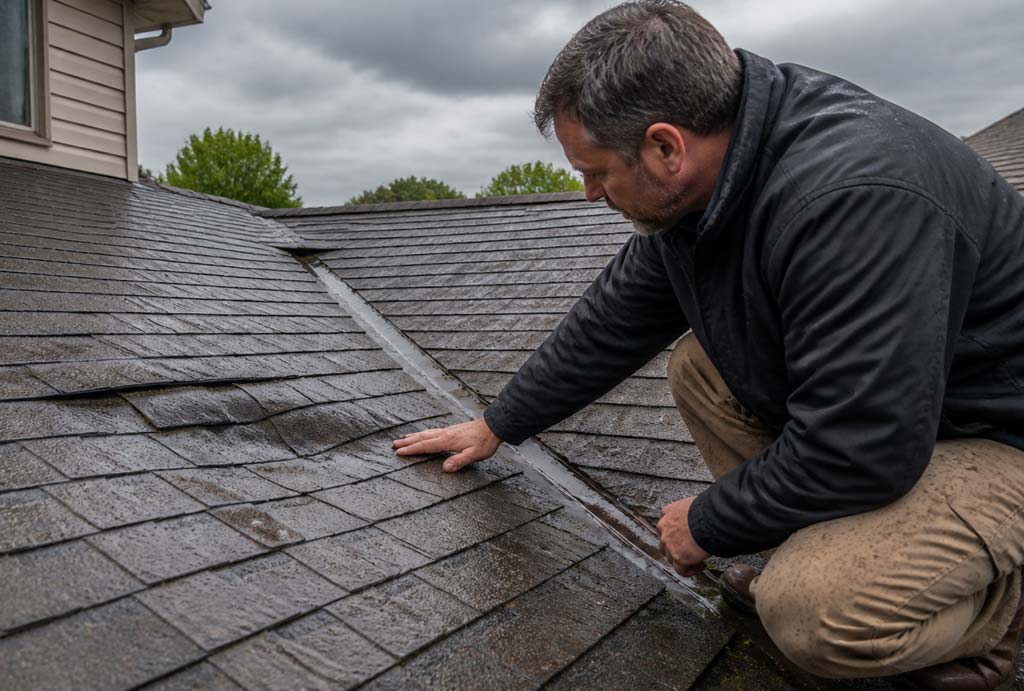
Areas Most Vulnerable to Roof Deck Rot
Certain portions of the roof are more susceptible to moisture intrusion.
These include:
Around Chimneys
Flashing failures around chimneys are a common source of hidden leaks.
Around Skylights
Improperly sealed skylights often allow water to enter beneath roofing materials.
Roof Valleys
Valleys handle large amounts of water runoff and are particularly vulnerable to leaks.
Plumbing Vents
Aging vent boots and flashing can allow moisture into the roof deck.
Roof Edges
Clogged gutters may cause water to back up beneath shingles near the eaves.
These areas deserve special attention during inspections.
Why Early Detection Matters
Roof deck rot rarely improves on its own.
As moisture exposure continues, the damage becomes more extensive and more expensive to repair.
Early detection can:
- Reduce repair costs
- Preserve structural integrity
- Prevent interior water damage
- Extend roof lifespan
- Avoid emergency roofing situations
The longer rot remains untreated, the more likely replacement of large sections of decking may become necessary.
How Professional Roof Inspections Help
Many signs of roof deck rot remain hidden from view.
Professional roof inspections allow trained experts to identify:
- Storm damage
- Moisture intrusion
- Soft decking
- Flashing failures
- Ventilation problems
- Structural concerns
At Stay Dry Roofing, we conduct thorough inspections designed to uncover problems before they become major expenses.
Following spring storm season, inspections can be especially valuable for identifying damage that homeowners may not notice from the ground.
Protecting Your Roof After Spring Storms
Preventive maintenance remains the best defense against hidden roof deck rot.
We recommend:
- Scheduling annual roof inspections
- Inspecting the attic regularly
- Addressing leaks immediately
- Cleaning gutters and downspouts
- Repairing storm damage promptly
- Monitoring flashing around penetrations
- Keeping tree branches trimmed away from the roof
These simple steps can help prevent moisture from gaining access to the roof deck.
Trust Stay Dry Roofing to Identify Hidden Roof Damage
At Stay Dry Roofing, we understand that some of the most serious roofing problems are the ones homeowners cannot see. Hidden roof deck rot can develop slowly after spring storms, but the consequences can be significant if moisture is allowed to persist.
Our experienced team provides professional roof inspections, leak detection, storm damage assessments, roof repairs, and roof replacement services throughout Indianapolis and surrounding communities.
If your home has experienced spring storms, roof leaks, or signs of moisture intrusion, now is the perfect time to schedule a professional inspection. Identifying hidden deck rot early can help protect your home, extend the life of your roof, and prevent costly structural repairs.
Contact Stay Dry Roofing today to ensure your roof remains strong, safe, and ready for the next Indiana storm season.