

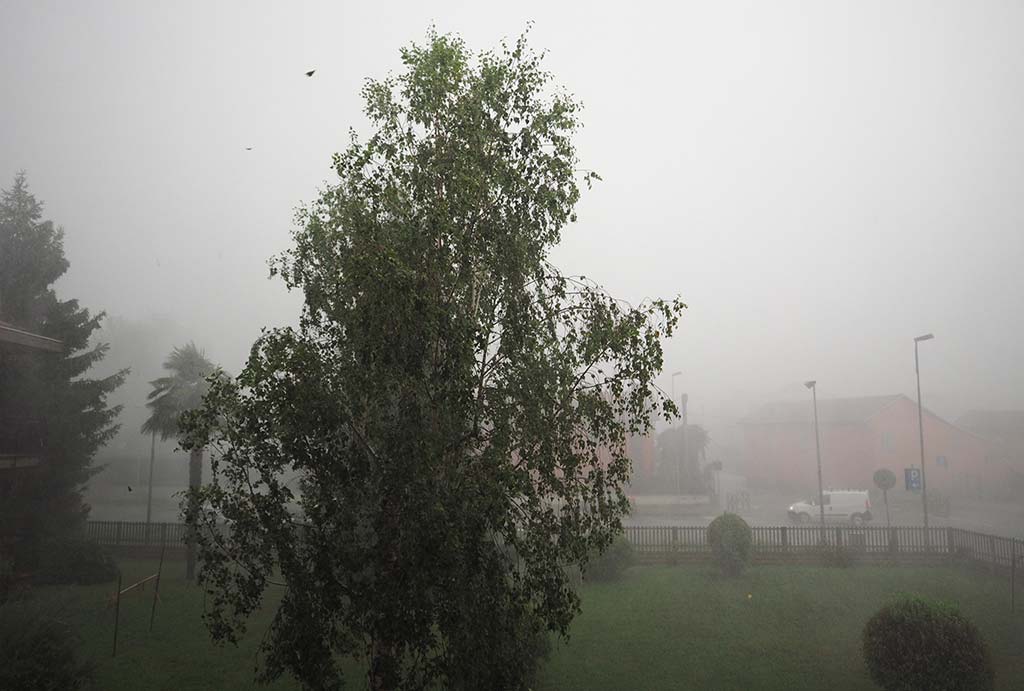
When hail or wind hits Indianapolis, it can leave your roof looking worse than it feels. Insurance promises protection but the claims process can be confusing. At Stay Dry Roofing, we help business and homeowners get the coverage they deserve without stress. This guide walks you through what adjusters do, how to prepare, how to talk to them, and what to do if you don’t agree with their findings.
1) Know the basics: most storm damage is covered
If a storm damages your roof, many standard homeowners and commercial insurance policies include coverage for wind and hail. That doesn’t mean every claim is automatic policies have limits, deductibles, and exceptions. The first step is to read your policy or call your agent to confirm whether wind and hail are covered for your property. Filing a claim in a timely manner starts the process and brings an adjuster to your property to evaluate the damage.
2) What an insurance adjuster does (and what they’re looking for)
Adjusters are trained to evaluate damage and estimate the cost to repair or replace. During a roof inspection they’ll check for signs of impact (dented vents, granule loss on shingles, bruises, split or missing shingles) and for wind damage (lifted shingles, torn edges, exposed underlayment). They also look for secondary problems like damaged flashing or displaced gutters that could cause leaks later. Knowing what they look for and documenting those things before the adjuster arrives gives you a stronger, clearer claim.
3) Documenting everything is your strongest defense
Before the adjuster shows up, do these things:
- Take wide and close-up photos of the whole roof, vents, gutters, siding, and any damaged outdoor equipment.
- Photograph fallen debris, dented HVAC units, cars, and patio furniture if affected.
- Save the exact time and date of the storm, weather reports, and any emergency repairs you had to make to prevent further damage.
- Keep receipts for tarps, temporary repairs, or emergency labor.
This documentation backs up your claim and speeds up the process. If you can, have a trusted roofing professional inspect and take photos too; their notes and roof measurement reports are helpful to both you and the adjuster.
4) Be present but be smart during the inspection
Being there for the adjuster’s visit helps. Point out areas of concern, show your photos, and ask clarifying questions. But don’t argue aggressively on the spot. Keep notes of what the adjuster says name, company, date and time of inspection, and any immediate findings. If the adjuster seems rushed or misses an area you believe is damaged, politely ask them to revisit that spot or note it on their report. Being calm and organized makes a good impression and avoids misunderstandings later.
5) Use your contractor correctly
Licensed roofing contractors (like us) can provide an inspection report and an itemized estimate. That estimate is not a “promise” from the insurer it’s documentation of the needed work. A contractor can walk the adjuster through the problem areas, explain technical items, and point out damage that might be hidden to an untrained eye. However, be mindful of one important pitfall: avoid “contingency” contracts that lock you into a contractor before the insurer’s obligation is clear. Stay Dry Roofing never pressures customers into signing before they’re comfortable. Know your rights and don’t sign away your options.
6) If the adjuster’s estimate is too low don’t panic
Sometimes the field adjuster’s findings don’t match the contractor’s estimate. If you disagree with the adjuster:
- Ask your contractor to write an itemized supplement explaining the difference, with photos and examples.
- Request that your insurance company send another inspector if you believe the first missed damage.
- Use the insurer’s appeals process (you have the right to appeal an estimate). Keep all communication in writing and record dates and names. These steps are normal and expected you’re within your rights to ask for a second look.
7) When to consider a third party like appraisers and public adjusters
If negotiations stall, hiring an appraiser or public adjuster can level the field. A public adjuster represents you, not the insurance company. They’ll prepare and negotiate your claim to help secure fair compensation. An independent appraiser can provide a neutral, third-party estimate when the insurer and homeowner cannot agree. These professionals charge fees, but for complex or large commercial claims they can save you time and protect your bottom line. Ask for credentials and state licensing before you hire anyone.
8) Supplementing a claim
After repairs begin, a roofer may find additional damage the first inspection didn’t reveal. That’s where supplements come in: your contractor documents the extra work and sends a supplement to the insurance adjuster. Common supplemental items include rotten decking, unseen flashing damage, or larger-than-expected tear-offs. Keep open lines of communication between your contractor and the adjuster supplements are a routine part of many legitimate storm claims.
9) Watch for red flags and scams
Storms bring out both honest contractors and opportunists. Avoid door-to-door contractors offering “too-good-to-be-true” deals, high upfront payments, pressure to sign immediately, or requests to sign insurance checks over to them. Always check a contractor’s local reviews, licensing, and insurance. Stay Dry Roofing provides clear contracts, references, and transparent pricing, no surprise fees, no high-pressure tactics.
10) Protect your business or home long-term
After a storm claim and repair, do a quick walkthrough: make sure flashing is sealed, gutters are clear, and roof penetrations are properly flashed. Ask your contractor to explain maintenance steps that reduce future risk. Consider documenting your roof condition with photos each year so that pre-storm proof can matter if another event happens later.
Why work with Stay Dry Roofing?
We’re local, licensed, and experienced with Indianapolis storm claims. We meet adjusters on-site, provide detailed inspection reports and estimates, and help you understand your policy and appeal options. Most importantly, if we put your interests first we won’t lock you into unfair contracts or cut corners. If a claim is complicated, we’ll walk you through appraiser and public adjuster options so you can make an informed decision.
Quick checklist before you call your insurer
- Take clear photos and videos of all damage.
- Get a professional roof inspection and estimate.
- File your claim and get the claim number.
- Be present for the adjuster’s inspection (but stay calm).
- If you disagree with findings, ask for re-inspection or a supplement.
- Consider a public adjuster for large/complex claims.
Storm damage is stressful but you don’t have to navigate it alone. Stay Dry Roofing is here to make the claim process clear, fair, and fast so you can get back to business. If your property was hit by hail or high winds and you’re not sure how to move forward, call us or schedule an inspection. We’ll review your roof, document damage, and work with your adjuster every step of the way.
Need help now? Contact Stay Dry Roofing for a free inspection and claims consultation we’ll stand with you from the first call to the final nail.