

Your roof is designed to keep water out of your home, but shingles are only part of the system. Some of the most important components protecting your home from leaks are pieces many homeowners never notice until a problem develops. Roof flashing plays a critical role in directing water away from vulnerable areas where the roof meets chimneys, skylights, vents, walls, and other penetrations.
At Stay Dry Roofing, we frequently find that roof leaks are not caused by damaged shingles at all. Instead, the source is often deteriorated or improperly installed flashing around key areas of the roof. Because flashing failures can allow water to enter hidden sections of the roofing system, they often go unnoticed until interior damage begins to appear.
Understanding common roof flashing problems around chimneys, skylights, and vents can help Indianapolis homeowners identify issues early and avoid costly repairs.
What Is Roof Flashing?
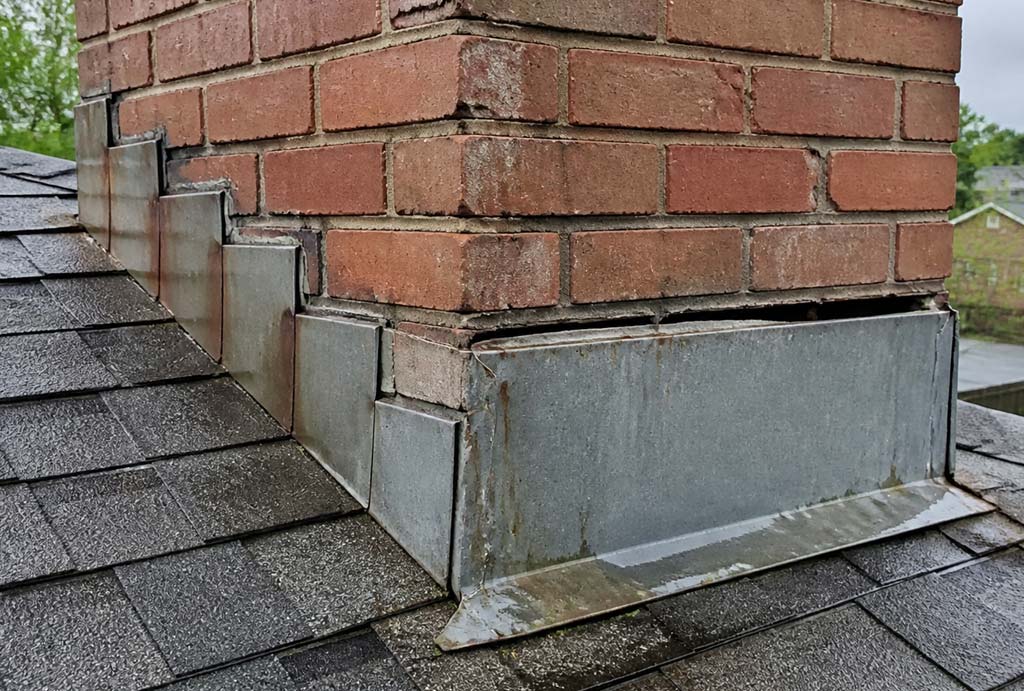
Roof flashing is a thin material, typically made of metal, installed at roof transitions and penetrations to create a waterproof barrier. Its primary purpose is to direct water away from areas where shingles alone cannot provide complete protection.
Flashing is commonly found around:
- Chimneys
- Skylights
- Plumbing vent pipes
- Furnace vents
- Roof valleys
- Dormers
- Wall intersections
Without properly functioning flashing, water can seep beneath roofing materials and enter the roof deck, attic, insulation, and interior living spaces.
Because flashing is exposed to weather year-round, it often experiences wear and deterioration long before homeowners notice visible leaks.
Why Flashing Problems Are So Common
Many homeowners assume shingles are the first part of a roof to fail. In reality, flashing frequently becomes a weak point because it experiences constant expansion, contraction, and exposure to Indiana’s changing weather conditions.
Indianapolis homeowners deal with:
- Summer heat and humidity
- Heavy thunderstorms
- Strong winds
- Hail events
- Snow and ice during winter
- Frequent temperature swings
Over time, these conditions can loosen flashing materials, break seals, create rust, and allow water infiltration.
Even a small gap around flashing can allow significant moisture intrusion during a heavy storm.
Common Flashing Problems Around Chimneys
Chimneys are among the most common sources of roof leaks because they require multiple flashing components to create a watertight seal.
Damaged Step Flashing
Step flashing consists of individual metal pieces installed where the roof meets the side of the chimney.
If step flashing becomes loose, bent, or improperly installed, water can enter beneath the shingles and leak into the home.
Deteriorated Counter Flashing
Counter flashing is installed into the chimney masonry and overlaps step flashing to provide additional protection.
Over time, mortar joints can crack and separate, allowing counter flashing to loosen.
When this occurs, water can bypass the flashing system entirely.
Rust and Corrosion
Older flashing materials may develop rust after years of exposure to moisture.
As corrosion spreads, holes can form in the flashing, creating direct pathways for water intrusion.
Sealant Failure
Some flashing systems rely on sealants to maintain watertight protection.
Exposure to UV rays, heat, and weather eventually causes sealants to crack, shrink, or separate.
Once these seals fail, leaks often follow.
Skylight Flashing Problems That Lead to Leaks
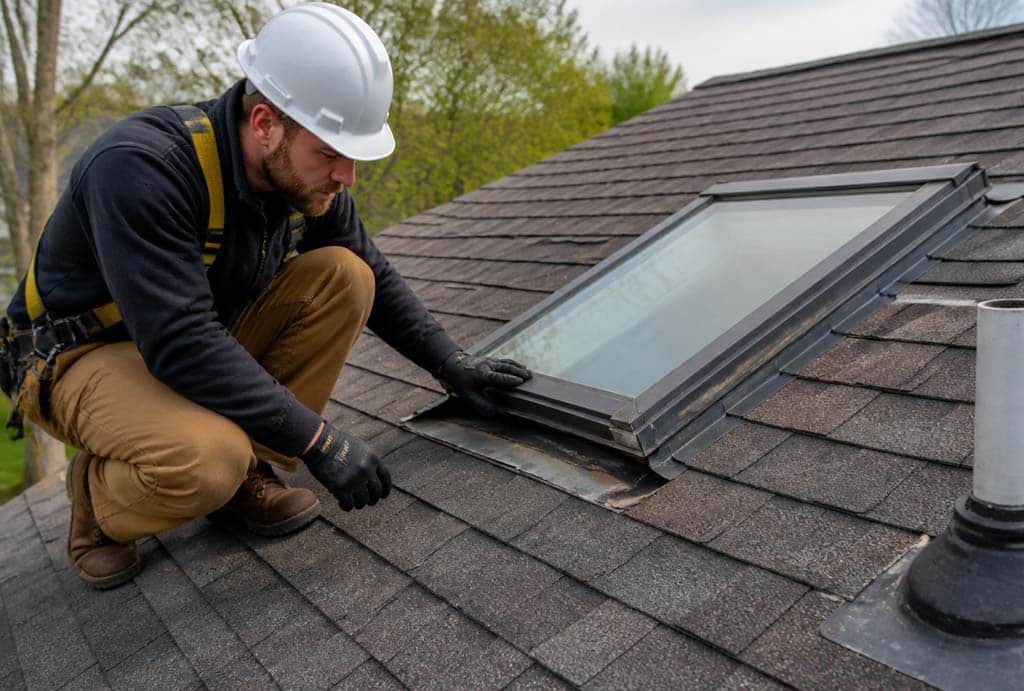
Skylights bring natural light into a home, but they also create additional roof penetrations that require specialized flashing systems.
Unfortunately, skylights are one of the most common leak locations we inspect.
Improper Installation
Many skylight leaks can be traced back to installation errors.
If flashing components are not integrated correctly with the surrounding roofing materials, water can find its way beneath the skylight frame.
In some cases, leaks may not appear until years after installation.
Aging Flashing Components
Like all roofing materials, skylight flashing ages over time.
Exposure to sunlight, moisture, and temperature fluctuations can cause flashing to weaken or separate from surrounding roofing materials.
Ice and Water Damage
Although this article focuses on summer conditions, winter weather can create damage that becomes noticeable during spring and summer rains.
Ice dams and freeze-thaw cycles may loosen flashing around skylights, creating opportunities for future leaks.
Debris Accumulation
Leaves, branches, and other debris often collect around skylights.
When debris traps moisture against flashing materials, deterioration can accelerate.
Vent Pipe Flashing Issues Homeowners Often Miss
Vent pipes may appear insignificant compared to chimneys and skylights, but they are among the most common sources of roof leaks.
Every plumbing vent that extends through the roof requires flashing protection.
Cracked Pipe Boots
Most vent flashing systems include a rubber boot designed to seal around the pipe.
Over time, UV exposure causes rubber components to dry out, crack, and split.
Once the boot deteriorates, water can enter around the vent pipe.
Loose Flashing
Wind and weather can loosen vent flashing over time.
Even minor movement may create gaps that allow water penetration during heavy rainfall.
Aging Materials
Many vent flashing systems have a shorter lifespan than the shingles surrounding them.
A roof may still appear to be in good condition while vent flashing components are already failing.
This is one reason routine roof inspections are so important.
Signs You May Have a Flashing Problem
Flashing failures often develop slowly.
Homeowners should watch for these warning signs:
Water Stains on Ceilings
Brown or yellow stains frequently indicate water intrusion around flashing locations.
Leaks During Heavy Rain
If leaks occur only during severe storms, flashing may be allowing wind-driven rain to enter.
Damp Attic Insulation
Moisture around roof penetrations often appears in the attic before becoming visible inside living spaces.
Mold or Musty Odors
Hidden moisture caused by flashing failures can create conditions favorable for mold growth.
Visible Rust or Separation
If flashing appears bent, rusted, lifted, or separated from roofing materials, professional evaluation is recommended.
Why Roof Leaks Often Originate Around Flashing
Many homeowners are surprised to learn that water rarely enters through the middle of a properly functioning shingle field.
Instead, leaks frequently occur at transitions and penetrations.
These areas involve multiple building materials meeting together, which naturally creates more opportunities for failure.
When flashing deteriorates, water can travel beneath roofing materials and remain hidden for extended periods.
By the time interior damage becomes visible, moisture may have already affected:
- Roof decking
- Insulation
- Structural framing
- Drywall
- Interior finishes
Early detection is critical to minimizing repair costs.
Can Flashing Be Repaired?
In many cases, yes.
Depending on the severity of the problem, repairs may include:
- Replacing damaged flashing
- Installing new vent boots
- Resealing flashing connections
- Replacing rusted sections
- Correcting installation deficiencies
However, if flashing problems have existed for a long time, additional repairs may be needed to address damaged roofing components beneath the surface.
A professional inspection can determine the most appropriate solution.
Preventing Flashing Problems Before They Cause Damage
The best way to prevent flashing-related leaks is through regular roof maintenance and inspections.
We recommend:
Annual Roof Inspections
Professional inspections can identify flashing concerns before leaks develop.
Post-Storm Evaluations
Indianapolis storms often create damage that may not be visible from the ground.
Gutter Maintenance
Proper drainage reduces moisture exposure around flashing systems.
Prompt Repairs
Small flashing issues are typically far less expensive to repair than extensive water damage.
Monitoring Older Roofs
As roofing systems age, flashing should be evaluated regularly for signs of wear and deterioration.
Trust Stay Dry Roofing for Flashing Inspections and Repairs
At Stay Dry Roofing, we understand that roof leaks often start in the places homeowners cannot easily see. Whether the issue involves chimney flashing, skylight flashing, vent pipe boots, or other roofing components, our experienced team can identify the source and recommend the right solution.
We provide professional roof inspections, leak detection, roof repairs, storm damage assessments, and roof replacement services throughout Indianapolis and surrounding communities.
If you’ve noticed water stains, attic moisture, or signs of a roof leak, don’t assume the shingles are the problem. Flashing failures are one of the most common causes of water intrusion and catching them early can save thousands in future repair costs.
Contact Stay Dry Roofing today to schedule a professional inspection and ensure your roof’s most vulnerable areas remain protected year-round.