

Summer weather in Indiana can be tough on more than just people. While homeowners often focus on winter snow, ice, and storm damage, the intense heat and humidity that arrive each June can place significant stress on asphalt shingle roofing systems. Over time, these conditions can accelerate aging, reduce performance, and contribute to costly roofing repairs if problems go unnoticed.
At Stay Dry Roofing, we help homeowners throughout Indianapolis and surrounding communities understand how Indiana’s climate affects their roofs throughout the year. June marks the beginning of a season when prolonged sun exposure, high temperatures, humidity, and thunderstorms all work together to challenge even well-maintained roofing systems.
Understanding how heat and moisture impact asphalt shingles can help you protect your investment, extend the life of your roof, and avoid unexpected repairs.
Why Indiana Summers Are Hard on Asphalt Shingles
Indiana experiences a humid continental climate, which means homeowners often face hot temperatures combined with elevated moisture levels during the summer months. June is typically when these conditions begin to intensify.
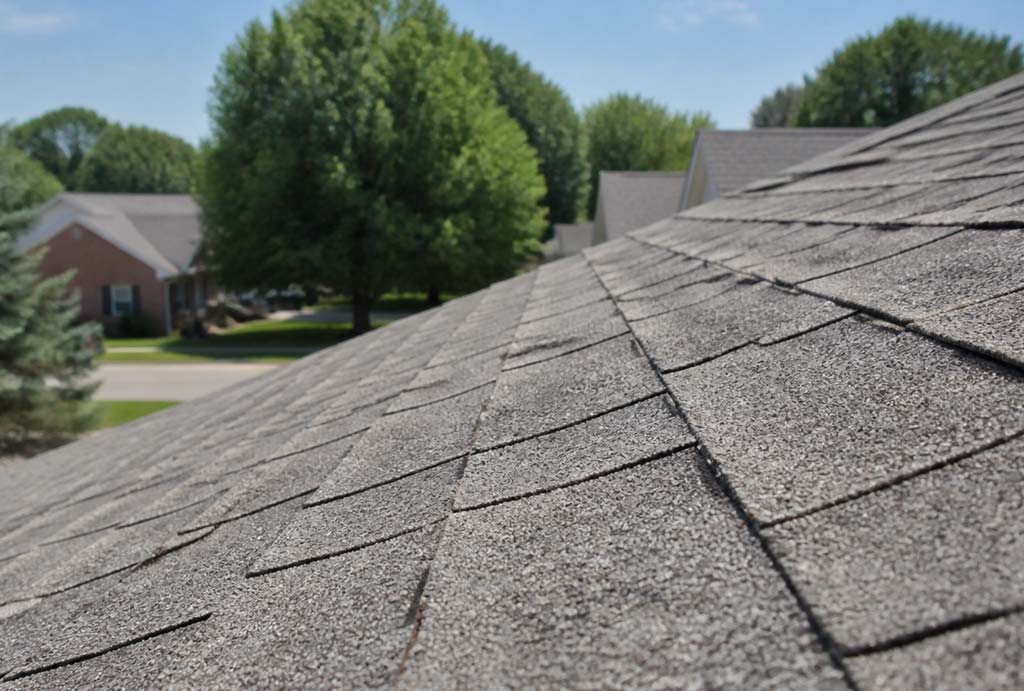
Unlike many building materials, asphalt shingles are exposed directly to sunlight every day. Roof surfaces can become significantly hotter than the surrounding air temperature. On a sunny 85-degree day, roof temperatures can exceed 140 degrees, causing shingles to expand and contract repeatedly throughout the season.
When humidity is added to the equation, roofing materials face even greater stress.
Over time, these environmental factors contribute to aging, deterioration, and increased vulnerability to leaks and storm damage.
What Happens to Asphalt Shingles During Extreme Heat?
Thermal Expansion and Contraction
One of the biggest challenges for asphalt shingles is constant movement.
As temperatures rise during the day, shingles expand. When temperatures cool overnight, they contract. This daily cycle occurs hundreds of times throughout the summer.
Although shingles are designed to handle movement, years of expansion and contraction can weaken roofing materials and create opportunities for damage.
Over time, this process can contribute to:
- Cracking
- Curling
- Loosening seal strips
- Granule loss
- Premature aging
Older roofs are particularly vulnerable because asphalt becomes less flexible as it ages.
Accelerated Aging
Heat speeds up many natural aging processes.
Asphalt shingles contain oils that help maintain flexibility and weather resistance. Extended exposure to high temperatures can gradually dry out these components, causing shingles to become brittle.
Once shingles lose flexibility, they become more susceptible to cracking during storms, wind events, and temperature fluctuations.
Many roofing manufacturers recognize heat as one of the primary environmental factors affecting long-term roof performance.
Granule Loss
The granules visible on asphalt shingles serve an important purpose. They help protect the asphalt layer from ultraviolet radiation and weather exposure.
During periods of intense summer heat, shingles can experience accelerated granule deterioration.
Homeowners may notice:
- Granules accumulating in gutters
- Bare spots on shingles
- Uneven roof coloration
As granules wear away, shingles become increasingly exposed to UV damage, shortening their lifespan.
The Impact of High Humidity on Asphalt Roofs
While heat often gets the most attention, humidity creates its own set of roofing challenges.
Indiana summers are frequently accompanied by elevated moisture levels in the air. Excess humidity can affect both the exterior roofing system and the attic space beneath it.
Moisture Retention
Humidity increases the amount of moisture present around roofing materials.
Although shingles are designed to shed water, prolonged exposure to damp conditions can encourage the growth of:
- Algae
- Mold
- Mildew
- Moss
These issues are especially common on shaded roof sections that receive limited sunlight.
Black streaks that appear on asphalt shingles are often caused by algae growth rather than dirt or physical damage. While these streaks may initially appear cosmetic, they can impact curb appeal and indicate moisture-related conditions that deserve attention.
Attic Condensation
Humidity doesn’t just affect the outside of your roof.
Poor attic ventilation can trap warm, moist air beneath the roofing system. When humidity levels rise, condensation may develop on roof decking and framing components.
Over time, excessive attic moisture can contribute to:
- Wood rot
- Mold growth
- Insulation damage
- Reduced energy efficiency
Proper ventilation is critical for maintaining a healthy roofing system during Indiana’s humid summer months.
Why Ventilation Matters During June and July
Roof ventilation is one of the most overlooked components of a roofing system.
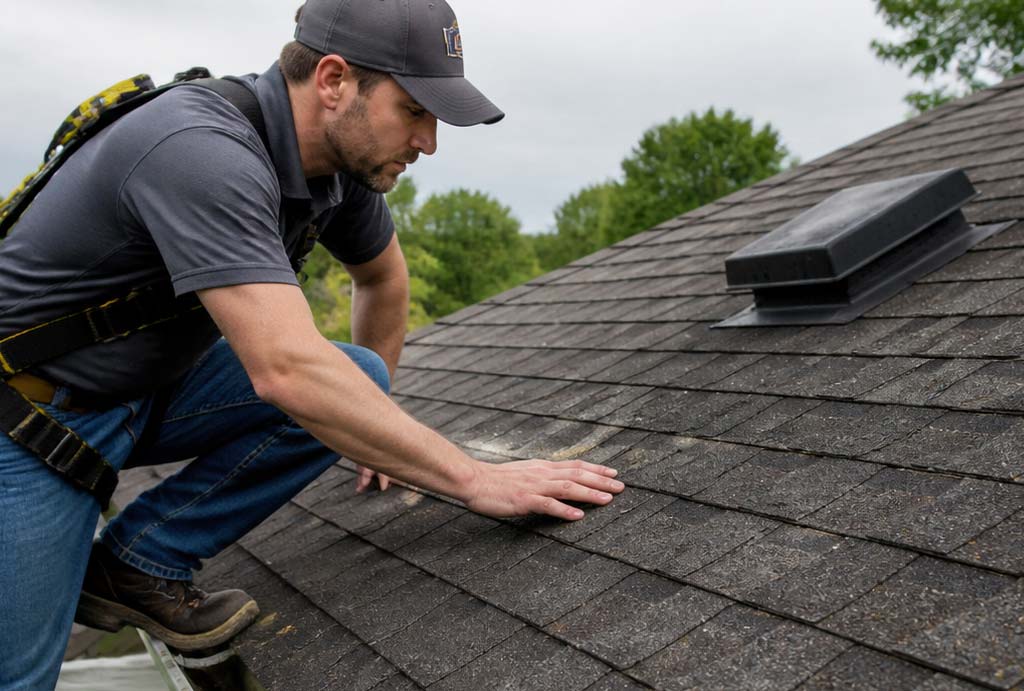
A properly ventilated attic allows hot air and moisture to escape, reducing stress on both the shingles and underlying structure.
When ventilation is inadequate, attic temperatures can soar well beyond outdoor temperatures.
This excessive heat can:
- Accelerate shingle aging
- Increase cooling costs
- Trap moisture
- Shorten roof lifespan
At Stay Dry Roofing, we frequently discover ventilation issues during inspections that homeowners never realized existed.
Improving airflow often helps reduce moisture buildup while extending the life of the roof.
Summer Storms Add Additional Stress
June also marks the beginning of a period when severe thunderstorms become more frequent throughout the Indianapolis area.
When heat and humidity combine, strong storms often follow.
These storms can bring:
- High winds
- Hail
- Heavy rainfall
- Falling branches
- Wind-driven debris
A roof already weakened by heat-related aging may be more vulnerable to storm damage.
For example, shingles that have become brittle from prolonged sun exposure are more likely to crack or tear during high-wind events.
This is one reason why roof inspections following severe weather are so important for Indiana homeowners.
Signs Heat and Humidity May Be Affecting Your Roof
Many roofing problems develop gradually, making them difficult to identify without a professional inspection.
Watch for these warning signs:
Curling Shingles
Shingle edges that begin turning upward may indicate age-related deterioration accelerated by heat exposure.
Cracked Shingles
Heat-damaged shingles often become brittle and develop visible cracks.
Excessive Granules in Gutters
Heavy granule accumulation may signal accelerated weathering.
Interior Moisture Issues
Water stains, mold growth, or attic condensation may indicate humidity-related ventilation problems.
Rising Energy Bills
An overheated attic can force HVAC systems to work harder during the summer months.
Black Streaks or Algae Growth
Humidity often contributes to biological growth on roofing surfaces.
Addressing these issues early can help prevent larger and more expensive roofing problems.
How Homeowners Can Protect Their Roof During Indiana Summers
While weather cannot be controlled, homeowners can take several steps to reduce roofing stress.
Schedule Annual Roof Inspections
Professional inspections can identify minor issues before they become major repairs.
Keep Gutters Clean
Proper drainage helps prevent moisture accumulation and water intrusion.
Trim Overhanging Trees
Reducing shade and debris can limit algae growth and storm-related damage.
Monitor Attic Ventilation
Adequate airflow helps regulate temperature and humidity levels.
Address Repairs Promptly
Small roofing issues rarely improve with time. Early intervention often prevents more costly damage.
Consider Upgraded Roofing Materials
If your roof is nearing the end of its lifespan, newer roofing systems may offer improved durability, energy efficiency, and resistance to Indiana weather conditions.
When Heat Damage Signals the Need for Roof Replacement
Not every heat-related issue requires a full roof replacement. However, there are situations where replacement may be the most cost-effective long-term solution.
You may want to consider replacement if:
- Your roof is approaching 20 to 30 years old
- Repairs are becoming frequent
- Large sections show curling or cracking
- Granule loss is widespread
- Storm damage is extensive
A professional roofing inspection can help determine whether repair or replacement is the better option for your home.
Trust Stay Dry Roofing to Protect Your Home This Summer
At Stay Dry Roofing, we understand the unique challenges Indiana weather creates for asphalt shingle roofs. From intense summer heat and humidity to severe thunderstorms and wind damage, your roof faces constant exposure to the elements.
Our experienced team provides comprehensive roof inspections, maintenance services, repairs, storm damage assessments, and complete roof replacements throughout Indianapolis and surrounding communities.
If you’re concerned about how June heat and humidity may be affecting your roof, we’re here to help. Identifying issues early can extend the life of your roofing system, improve energy efficiency, and help prevent costly repairs down the road.
Don’t wait until a small roofing problem becomes a major leak. Schedule a professional inspection and ensure your roof is ready for everything an Indiana summer has to offer.