

Spring in Indiana can turn fast. One calm afternoon can become a hailstorm by evening, and Indianapolis-area weather alerts regularly warn of thunderstorms with large hail. The National Weather Service in Indianapolis has also documented past severe storm events with large hail across central Indiana, which is exactly why more homeowners start asking about impact-resistant shingles before storm season kicks in.
At Stay Dry Roofing, we hear the same question all the time: is a Class 4 shingle upgrade actually worth the money? After reviewing the leading local search results and the way homeowners in our area shop for roofing help, the answer comes down to three things: how much hail risk your home really faces, how long you plan to stay in the house, and whether your insurance company offers any roofing discount. The local articles people are finding around Indianapolis focus on the same core ideas too: verify Class 4 certification, understand material differences, and weigh the upfront cost against long-term protection.
What Class 4 shingles actually mean
Class 4 shingles are the highest-rated shingles under the UL 2218 impact test. In that test, shingles are struck with steel balls in a controlled lab setting, and Class 4 products pass the toughest version of the test using a 2-inch steel ball dropped from 20 feet. The goal is not to promise a hail-proof roof. The goal is to measure which shingles hold up better under impact without cracking through the material.
That matters because not all shingles are built the same way. Some Class 4 options use SBS-modified asphalt or reinforced fiberglass mats to add flexibility and strength. That extra resilience is one reason these shingles are often considered in hail-prone regions like Indiana.
Why Indiana homeowners pay attention before hail season
Indiana weather is rough on roofs. In the Indianapolis area, the National Weather Service routinely issues hazardous weather outlooks that mention thunderstorms with large hail, and its event summaries show multiple past severe storm events with large hail in central Indiana. That does not mean every spring brings the same storm, but it does mean hail is a real, recurring roofing concern here.
That is why Class 4 shingles are so appealing to homeowners who are trying to get ahead of the next storm rather than react after the damage is done. Standard shingles can perform well for everyday weather, but when hail starts pounding the roof year after year, a stronger shingle can help reduce the odds of bruising, cracking, and early replacement.
Is the upgrade worth it?
For many Indiana homes, yes but not automatically.
Class 4 shingles are premium products, and GAF notes they generally cost about 10% to 25% more than standard asphalt shingles. That higher price is the first thing most homeowners notice. The second thing is the possible payoff: longer-lasting storm resistance, fewer repair calls, and the chance of an insurance discount if your carrier offers one.
That is where the decision gets practical. If your roof is aging, your neighborhood has taken hail hits before, or you plan to stay in the home for many years, the stronger shingle often makes more sense. GAF says Class 4 shingles may be a smart choice in hail-prone areas, and the brand also points out that some homeowners may see insurance savings with qualifying products.
If you are planning to move soon, the math may look different. In that case, a Class 4 roof can still be a selling point, but you may not recover the full upgrade cost before you leave the home. That is why the best answer depends on your roof, your budget, and your timeline.
The insurance question homeowners really care about
This is usually the biggest reason people ask about Class 4 shingles in the first place.
Some insurers do offer roofing discounts for impact-resistant products, including Class 4 shingles. State Farm specifically says that certain impact-resistant roofing products, like hail-resistant shingles or Class 4 shingles, may qualify for a home insurance discount, and Indiana is listed among the states where roofing discounts are currently available. State Farm also says discounts vary by state and agent, so you need to confirm eligibility before you install anything.
GAF gives the same warning: insurance discounts are not guaranteed, and they vary by state and company. That means the right move is to check with your carrier before the roof goes on, not after. If your insurer offers a discount, that monthly or annual savings can help offset the higher upfront cost of the shingles.
What Class 4 shingles do well
Class 4 shingles are best at one thing: helping your roof stand up better when hail and flying debris hit it. They are also a strong option for homes that see high winds, because a tougher shingle can help reduce storm-related wear and tear over time. In local Indianapolis roofing content, that storm-season durability is one of the most common reasons homeowners are told to consider the upgrade.
Another benefit is peace of mind. Many homeowners would rather pay more upfront than keep dealing with patch repairs after every storm. A stronger roof system can lower the chances of recurring damage that turns into water intrusion, ceiling stains, attic moisture, and bigger repair bills later. That is especially important in Indiana, where spring storms can move in quickly and hit hard.
What Class 4 shingles do not do
A Class 4 roof is not a magic shield.
Even the manufacturers are careful about this. GAF notes that Class 4 testing is performed under controlled lab conditions and that hail damage is not covered under the limited warranty. Owens Corning also says test results do not guarantee a shingle will resist all weather conditions. That is why we always tell homeowners that “impact-resistant” does not mean “impact-proof.”
That is also why installation matters. A great shingle still needs a roof system that is installed the right way, with attention to underlayment, flashing, ventilation, and ridge details. The roof is only as good as the materials and workmanship behind it.
When we usually recommend Class 4 shingles
We usually recommend Class 4 shingles when one or more of these are true: the roof is already due for replacement, the home has seen repeated hail exposure, the homeowner plans to stay put for years, or the insurer offers a real discount that helps close the gap on cost. That lines up with what major roofing manufacturers and insurers say about premium roofs: the value is strongest in hail-prone areas and when the long-term savings matter.
We also recommend thinking beyond the shingles alone. If you are already replacing the roof, it can make sense to pair durability with energy efficiency. On our own site, we note that energy-rated asphalt shingle options can help deflect solar rays, reduce roof temperatures, and keep energy costs down. In other words, the best upgrade is often the one that protects the home and improves everyday comfort at the same time.
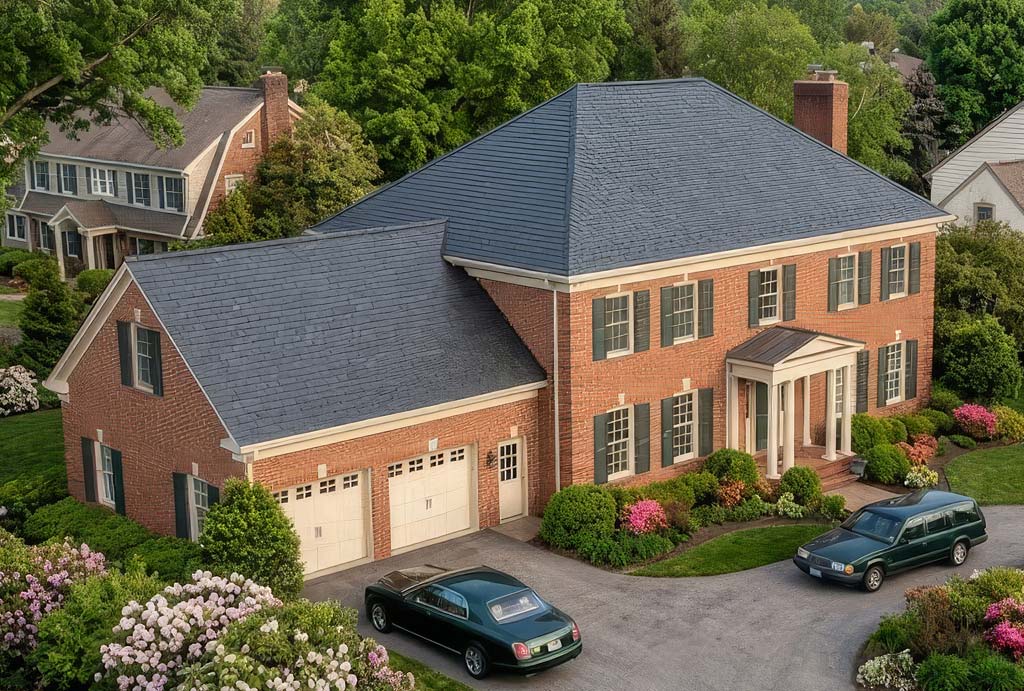
Why homeowners call Stay Dry Roofing
Stay Dry Roofing focuses on residential and commercial roof replacement and repairs in the Indianapolis area, with service across nearby communities including Carmel, Greenwood, Fishers, Noblesville, Brownsburg, and Plainfield. We have over 9 Indy locations, and we have built our name on quality, integrity, and customer service. We also know hail damage is not always easy to spot, which is why we encourage homeowners to get an inspection as soon as possible after a storm.
That matters because hail damage is often hidden. Shingles can look fine from the ground while still being bruised, weakened, or ready to fail later. Our job is to help you catch problems early, talk through your options honestly, and decide whether repair, replacement, or an upgrade makes the most sense for your home.
The bottom line
So, is the Class 4 investment worth it for Indiana hail?
For many homeowners, yes. If you live in a hail-exposed area, plan to stay in your home for years, or want the best shot at lowering future storm repair costs, Class 4 shingles can be a smart upgrade. If you also qualify for an insurance discount, the value gets even better. But if your roof is not in a hail-prone spot, your insurer offers no savings, or you are moving soon, a standard high-quality roof may be the better financial fit.
At the end of the day, the right roof is the one that fits your home, your budget, and your risk level. If hail season is around the corner, now is the time to look at your roof before the weather makes the decision for you.
Frequently asked questions
Do Class 4 shingles stop hail damage completely?
No. They are designed to improve impact resistance, not eliminate all damage. Even the manufacturers say hail can still damage a roof under the wrong conditions, which is why no roof should be called hail-proof.
Will my insurance company give me a discount?
Maybe. Some insurers do offer roofing discounts for certain impact-resistant products, including Class 4 shingles, but discounts vary by state and company. Always check with your agent before installation.
How much more do Class 4 shingles cost?
GAF says they are usually about 10% to 25% more than standard asphalt shingles. That extra cost is often the tradeoff for better impact resistance and possible long-term savings.
Are Class 4 shingles a good choice for Indiana?
For many homes, yes. Central Indiana sees severe storms with large hail, so impact resistance can be a smart investment if your home is exposed to repeated weather events.
Should I replace my roof just to get Class 4 shingles?
Usually no, unless the roof is already due for replacement or storm damage has made that decision easy. The upgrade makes the most sense when you are already replacing the roof and can choose better materials from the start.