

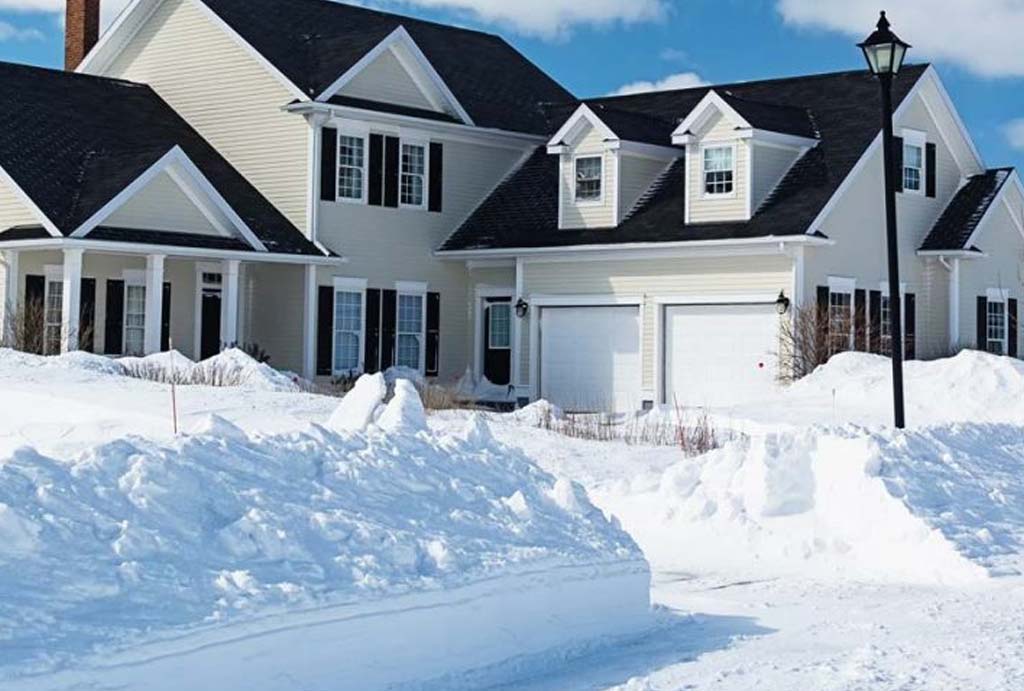
When winter winds blow and heating bills climb, your attic is often the hidden culprit. At Stay Dry Roofing, we see this every season: heat rises, finds gaps, and sneaks out through an under-insulated attic. The good news? Fixing your attic insulation is one of the smartest, most cost-effective ways to winter-proof your home and cut energy bills and we’re here to walk you through how, why, and what to do next.
Why the attic matters
Heat wants to move from warm areas to cold ones. In winter that means your heated living space loses warmth to the attic and outside. Adding the right insulation creates a barrier that slows that heat loss saving your furnace work, lowering bills, and making your home more comfortable. According to U.S. Department of Energy research, adding proper insulation (and air sealing) can save homeowners up to about 20% on heating and cooling costs.
What proper attic insulation actually does
- Keeps heat inside where you want it. A well-insulated attic reduces the amount of warm air that escapes through your ceiling, so your heating system doesn’t run as often. The EPA and ENERGY STAR estimate average savings of roughly 15% on heating and cooling costs when homes are air-sealed and insulated appropriately.
- Protects your roof and prevents ice dams. Insulation works with ventilation to keep the roof temperature consistent. That helps prevent snow from melting and refreezing at eaves the process that forms ice dams and causes leaks.
- Stops moisture and mold problems. Proper insulation and air sealing cut down on warm, moist air that reaches cold attic surfaces and condenses there is a common source of mold and rot in Indianapolis attics. We take moisture seriously at Stay Dry Roofing and recommend solutions that resist mold and moisture damage.
How much insulation do you need in Indiana?
Local climate matters. Indiana guidance recommends higher R-values than many older homes have. State guidance and local utility recommendations show recommended attic R-values vary commonly R-38 to R-49 depending on location and house type and many older attics fall well short of that. If your attic insulation is thin or settled, adding more can make a dramatic difference in comfort and bills
Common insulation types and which one we install
You’ll see a few popular attic insulation options; each has pros and cons:
- Blown-in fiberglass (loose-fill). Great for filling odd-shaped spaces and topping up existing insulation. Many local pros like us use Owens Corning blown-in fiberglass for its moisture resistance and long service life. It’s a cost-efficient choice for most Indy homes.
- Batt insulation (fiberglass batts). Pre-cut rolls that are common in new construction or finished attics. Works well when installed snugly without gaps.
- Spray foam. Offers excellent air sealing plus insulation in one step. More expensive, but often worth it where air leakage is severe or where space is tight.
- Radiant barriers / roof insulation. Useful in tandem with attic insulation to reduce heat gain in summer; some roofing systems recommend them as part of an overall energy plan.
At Stay Dry Roofing we typically recommend blown-in Owens Corning Fiberglas for attic upgrades because it fills gaps well, resists moisture when installed correctly, and comes with a limited lifetime warranty.
The right order: Inspection → Air sealing → Insulation → Ventilation
Throwing insulation into an attic without preparing the space is a mistake. The best results come from this sequence:
- We check for existing insulation levels, moisture damage, roof leaks, and problem areas like recessed lights, plumbing stacks, or attic hatches. (A professional inspection spots things homeowners usually miss.)
- Air sealing. Seal gaps, top plates, wiring penetrations, and attic-access doors. Sealing is often the single best step to prevent heat loss before you add insulation. EPA/ENERGY STAR modeling shows that selling plus insulation gives the largest savings.
- Add insulation to recommended R-value. We bring attic insulation up to the target R-value for your home (often R-38 to R-49 in our region). This is where you capture most of the long-term savings.
- Ensure proper ventilation. Ridge vents, soffit vents, or other intake/exhaust systems help control attic temperature and moisture which protects insulation and the roof deck. A cold, well-ventilated roof works with attic insulation to prevent ice dams.
How much will it cost, and how soon will it pay off?
Costs vary by attic size, insulation type, and how much air sealing is needed. Industry averages run from a few hundred dollars for small DIY top-ups to several thousand for professional blown-in or spray foam installs. The Department of Energy and other energy experts estimate insulation upgrades often pay back in a few years through lower bills; national modeling shows up to 20% savings on heating and cooling. That means the investment returns in reduced energy costs year after year.
Signs your attic needs attention right now
- Drafts or cold rooms on the upper floors.
- Uneven heating, or your thermostat runs constantly.
- Ice dams, or recurring icicles on eaves.
- Visible daylight through attic ceiling or light shining from roof deck.
- Insulation that looks thin, compacted, or contaminated by moisture or pests.
If you spot any of these, call us and we’ll do a no-nonsense attic check and give a clear quote.
DIY vs professional installation. Which should you choose?
DIY can make sense for simple, small jobs (like adding a few inches of insulation to an accessible attic), but pros are worth it when:
- You need blown-in material to fill gaps and reach recommended R-values.
- Air sealing and moisture issues are present.
- You want warranty-backed materials and correct ventilation.
- You’re dealing with tricky roof geometry, HVAC or ductwork in the attic, or past water damage.
Competitors in Indianapolis talk a lot about blown-in systems because they cover cavities better than batt insulation, and contractors often advertise up to 20% savings when a whole-attic approach is taken provided the job includes sealing and ventilation checks. That’s why many homeowners choose professional blown-in installations.
What Stay Dry Roofing does differently?
At Stay Dry Roofing we don’t treat insulation as an add-on. We treat the attic as part of the whole roof system:
- We start with a full attic inspection (moisture, vents, structural issues).
- We prioritize air sealing and correcting sources of attic moisture before adding insulation.
- We install Owens Corning blown-in Fiberglas where appropriate it’s moisture-resistant, long-lasting, and backed by a limited lifetime warranty.
- We check and improve ventilation (ridge vents, soffit vents, etc.) so insulation performs as intended and your roof stays healthy.
We’ll give you a clear estimate, explain the expected savings, and prioritize fixes that prevent future roofing damage.
Quick homeowner checklist
- Look at your attic insulation from the access hatch: is it compressed, damp, or less than 8–10 inches?
- Check for daylight through the roof deck any light is a potential leak path.
- Seal obvious gaps around pipes and wiring with foam or caulk. (Don’t cover recessed lights with insulation unless they’re rated IC.)
- Keep soffit vents clear of insulation, so airflow isn’t blocked.
- Schedule a professional attic inspection if you see moisture, mold, or ice dams.
Ready to winter-proof your home?
If you want an honest inspection and a plan that targets both comfort and savings, give Stay Dry Roofing a call. We’ll walk your attic with you, explain options in plain language, and install the right system for your house and budget. Winter’s coming, let’s make sure your home is ready.