

Indiana has four seasons, and that matters a lot for your roof. At Stay Dry Roofing, we hear the same question all the time: “How long will my roof last here in Indiana?” The honest answer depends on what your roof is made of, how well it was installed, and how you take care of it. Below we break it down so you can plan repairs or replacement with confidence.
Typical lifespans by material
Different roofing materials wear out at different speeds. Here are the common ones you’ll see on Indiana homes and a realistic lifespan range for each:
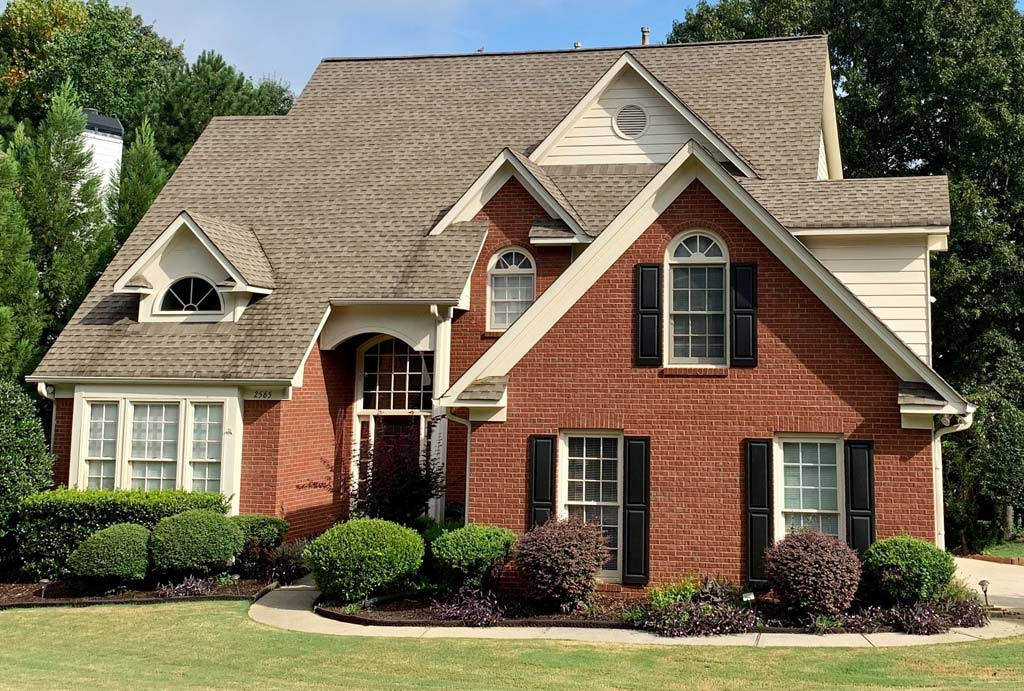
- Asphalt shingles (the most common): About 20–30 years for architectural or higher-end shingles; cheaper 3-tab shingles may start failing sooner.
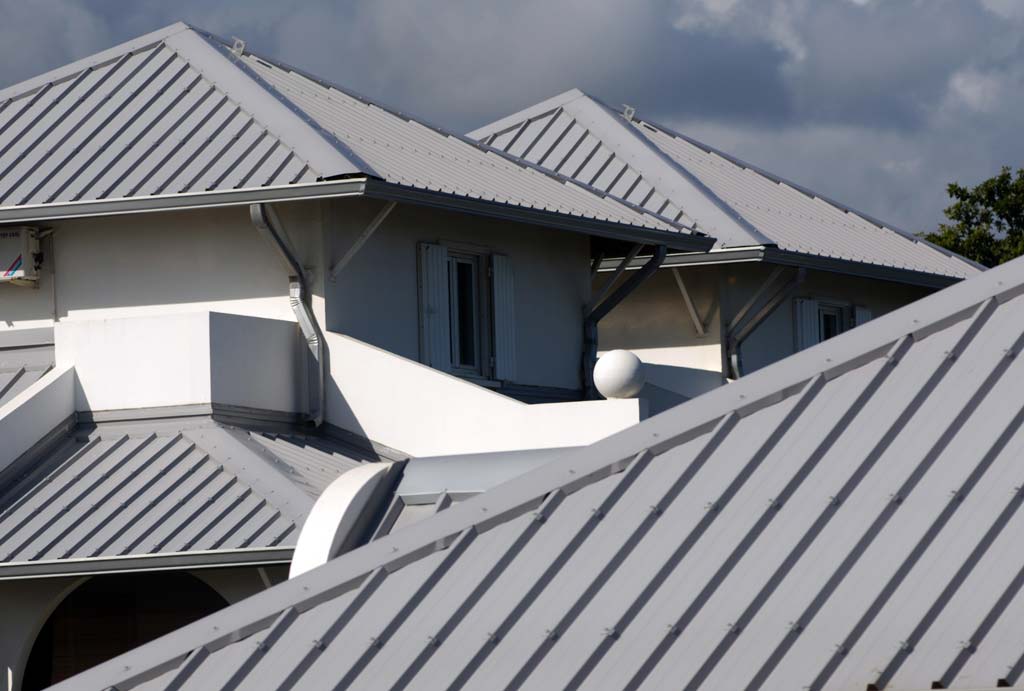
- Metal roofs: 40–70 years, depending on the metal type and finish. Metal stands up very well to Indiana’s freeze-thaw cycles and hail.
- Wood shakes/shingles: 20–40 years if well-maintained, but they need regular treatment and are more sensitive to moisture.
- Slate or tile: These can last 50 years up to 100+ years, but they’re heavier and more expensive up front.
Those ranges are averages. Your roof might fall on the low end or high end of a range depending on installation, maintenance, and weather exposure.
Why Indiana’s climate matters
Indiana is a four-season state: hot, humid summers; severe summer storms; cold winters with snow and ice; and spring and fall that can bring strong temperature swings and sometimes hail. Those cycles heat followed by cold, wet followed by dry stress roofing materials. Repeated freeze/thaw, UV exposure on hot summer days, and hail or wind events all chip away at a roof’s life over time. Local roofers like us see how these weather patterns shorten lifespans when other factors (like poor ventilation or cheap materials) are present.
Two simple examples: asphalt shingles lose granules faster under intense sunlight and become brittle after repeated freezing and thawing; metal roofs resist cracking but can dent in hailstorms if lighter gauges are used.
Installation and ventilation
A roof is only as good as the people who install it. Proper underlayment, correct nailing patterns, quality flashing around chimneys and valleys, and proper attic ventilation are not sexy, but they absolutely matter. Poor ventilation traps heat and moisture in your attic, which accelerates shingle aging and can rot decking and rafters beneath the shingles. Conversely, good ventilation and tight workmanship can push a roof toward the higher end of its expected lifespan.
That’s why at Stay Dry Roofing we emphasize inspection and correct installation not cutting corners. We use GAF shingles and follow manufacturer best practices, so warranties and lifespans are more likely to hold up.
Maintenance that actually extends service life
Routine, practical maintenance can add years to your roof’s life. The basics we recommend to all Indy homeowners:
- Annual roof inspections catch missing shingles, loose flashing, or failing sealant early.
- Gutter cleaning clogged gutters force water back under shingles and into fascia.
- Trim overhanging tree branches reduces impact damage from falling limbs and limits moss growth.
- Address small leaks quickly one small leak can lead to rot, mold, and structural damage if ignored.
- Keep attic insulated and ventilated that controls attic temperature swings and moisture.
These actions won’t make a 15-year roof last 30 years, but they can push a well-built roof toward the top of its expected range and delay a costly replacement. Many local contractors report roofs that get the right care and still perform well beyond their expected lifespan.
Signs your roof is near the end of its life
You don’t have to wait for water stains in the ceiling to realize replacement is needed. Watch for these signs:
- Curled, cracked, or missing shingles across a large area.
- Excessive granule loss in gutters or downspouts (black sand in gutters).
- Roof valleys that look worn, valleys handle a lot of water and are common failure points.
- Repeated leaks even after patching a sign that underlying components have failed.
- Daylight showing through roof boards in the attic serious and immediate.
When you notice several of these signs, it’s time to call a trusted local roofer for an inspection and a clear written estimate.
Specific storm concerns for Indiana homeowners
Indiana sees storm seasons that matter for roofing:
- Hail and wind: Hail can bruise or tear shingles; wind can lift shingles and rip flashing. After a big storm, get a professional inspection some damage isn’t obvious from the ground.
- Ice dams in winter: Inadequate insulation and poor ventilation allow heat to melt roof snow, which then refreezes at the eaves and causes water to back up under shingles. Proper attic insulation and ventilation reduces this risk.
We help homeowners document damage for insurance claims and provide emergency tarping when necessary.
Materials vs. budget. Choosing the right long-term value
If you plan to sell in a few years, a mid-range architectural shingle might be the most cost-effective choice. If you plan to stay in your home for decades, spending more on metal or high-end architectural shingles may pay off with lower maintenance and longer life.
Consider this when choosing:
- Initial cost vs. lifespan metal costs more up front but lasts much longer.
- Local climate resilience metal and high-quality architectural shingles handle freeze-thaw cycles better than cheap 3-tab shingles.
- Aesthetics and resale some buyers prefer the look of certain materials and will value longevity.
We help owners balance these factors and pick systems that make sense for their budget and timeline.
How Stay Dry Roofing approaches lifespan and value
We treat every roof like it’s on our own home. That starts with a thorough on-site inspection (we offer free inspections), a written estimate with clear line items, and honest advice about repair versus replacement. We install with quality materials including GAF shingles and build with correct ventilation and flashing, so your roof performs as intended for as long as possible.
If you need financing options, we provide straightforward choices to make replacement more manageable. We also document storm damage carefully to support insurance claims when applicable.
When repair makes sense and when replacement is the smart move
- Repair is a good short-term solution when damage is localized (a few missing shingles, small leaks around a vent).
- Replace when the roof is near the expected end of life for its material, when multiple areas show deterioration, or when repeated repairs are becoming frequent and costly.
A full replacement gives you the opportunity to upgrade underlayment, ventilation, and flashing investments that improve your new roof’s lifespan. We’ll give you both options and the pros and cons so you can decide confidently.
Two real-world tips to squeeze more life from your roof
- Schedule a professional inspection every year. Don’t wait for visible leaks. A licensed roofer can spot weak flashing, loose fasteners, and areas of poor ventilation that are easy to fix before they cause big problems.
- Keep gutters and downspouts clear. Water that can’t leave the roofline will find the fastest way into your home and that’s often underneath shingles or behind siding. Regular gutter care is low-cost prevention.
Realistic expectations for Indiana homeowners
If you have a properly installed and maintained asphalt shingle roof, expect about 20–30 years in Indiana’s climate; metal roofs commonly reach 40–70 years; and premium materials like slate or tile can last decades longer. These are ranges, not guarantees. Weather exposure, installation quality, attic ventilation, and regular maintenance are the real factors that push a roof toward the low or high end of those ranges.
If you want a confident answer for your house specifically, book a free inspection with us. We’ll look under the shingles, evaluate attic ventilation, and give you an honest, written recommendation whether that’s a small repair or a long-term replacement plan. We’re local, licensed, and we treat your home like family.