

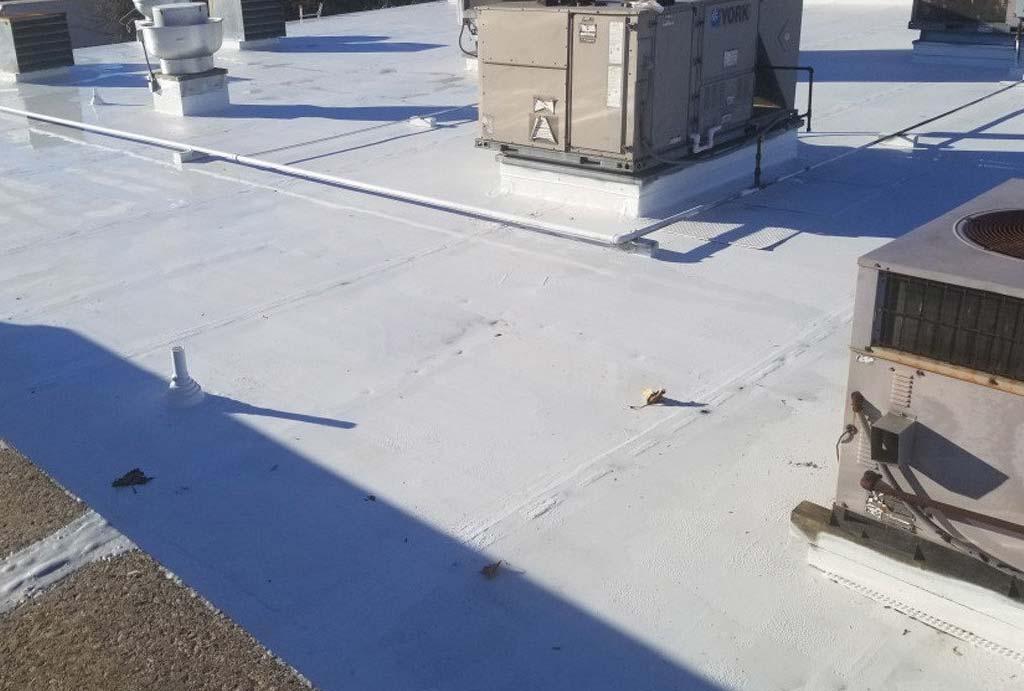
Winter in Indy can turn a small flat-roof problem into a big, expensive headache. At Stay Dry Roofing, we’ve seen the same pattern: blocked drains, loose flashings, and hidden membrane damage that only becomes obvious when snow melts and freezes again. This guide walks Indianapolis business owners through the right steps to protect flat roofs before winter hits practical things you (and your facilities team) can do now to stop leaks before they start.
Why winter matters for flat roofs here in Indianapolis
Indianapolis winters bring frequent freeze–thaw cycles, cold temperatures, and occasional heavy snow. That combination causes trapped water to expand and contract, stresses seams and flashings, and produces ponding that eats at roofing membranes over time. The National Weather Service climate data shows cold-season averages and freeze–thaw behavior that make fall inspections and winter prep important for every commercial building in the area
What do we recommend? An easy fall checklist for commercial flat roofs
We recommend doing or scheduling these things in the fall, if possible, before the first major freeze. Do them in this order for the best results.
Schedule a professional roof inspection (early fall when at all possible)
Don’t wait until you see water stains. A trained commercial roofer will scan the membrane, seams, flashings, curbs, drains, roof penetrations (HVAC, plumbing, vents), and any rooftop equipment mounts. We look for soft spots, blisters, seam separation, and low areas where water ponds. Industry pros recommend a pre-winter inspection to catch issues while repairs are still simple and cost-effective.
Clear all drains, scuppers, and gutters
A blocked roof drain leads to ponding water, the single most common cause of flat-roof leaks in winter. Remove leaves, trash, asphalt grit, and anything that can clog scuppers or interior drains. Make sure overflow scuppers are unobstructed and secure. If your building has internal drains, test them with water to confirm good flow. Industry checklists stress clearing drainage as a top pre-winter task.
Fix seams, flashings, and penetrations before cold weather
Seams and flashings are where leaks start. Re-seal failed caulk, re-adhere loose flashings, and repair or replace failing pitch pockets and counterflashing. Small seam repairs are much easier and cheaper in warm weather than after ice and snow hide problems. Manufacturers and commercial roofing pros recommend proactive seam and flashing repairs ahead of winter.
Eliminate ponding and low spots
If our crew finds low areas that hold water, we recommend leveling or adding tapered insulation to improve runoff. Ponding accelerates membrane aging and freezes into heavy ice that stresses the roof deck and drains. Address ponding now rather than chasing leaks in February.
Secure rooftop equipment and check curbs
HVAC units, solar mounts, and rooftop signage should be secured. Flashings around equipment curbs are common leak points. Replace deteriorated curb flashing and tighten loose fasteners. Document any equipment penetrations and ensure OEM curb boots are in good condition.
Clean the roof surface and remove debris
Debris punctures membranes and holds moisture against the roof. A clean roof sheds water faster and makes it easier to spot small issues. We remove loose gravel, branches, and any leftover construction materials during winter prep.
Consider a roof coating (if appropriate)
For certain systems a manufacturer-approved roof coating can add a protective layer, improve UV resistance, and temporarily seal minor imperfections. But coatings are not a universal cure you need the right product applied to a properly prepared surface by a trained crew. We’ll advise whether a coating makes sense based on your system (TPO, EPDM, PVC, BUR, etc.). Manufacturer guidance recommends coatings only after surface prep and repairs.
Check insulation and condensation control
Flat roofs are vulnerable to condensation if insulation and vapor barriers are compromised. Make sure your roof assembly isn’t trapping moisture, poor insulation or ventilation issues can cause internal condensation that damages roofing from the inside out. NRCA and other experts emphasize proper insulation and ventilation to reduce freeze–thaw damage.
Create a snow and ice removal plan
Heavy snow loads and ice can overload a flat roof. Commit to a plan that defines when and how snow will be removed, who does it, and safety protocols for crews. Never allow untrained staff to shovel on a commercial roof they risk injury and membrane damage. If your building is in a high-risk category (large roof area, low slope, visible ponding), line up a professional snow-removal contractor now.
Document conditions and roof work
Take photos and date them. Document repairs, material types, and warranties. If a claim or emergency happens later, a clear photo record and service log make restoration and insurance conversations much smoother.
What we fix (and what we won’t recommend)
At Stay Dry Roofing we handle commercial flat roof systems TPO, EPDM, PVC, and coatings plus repairs and preventive maintenance. We’ll recommend targeted repairs when we see seam separation, small membrane tears, failing flashing, clogged drains, or rusted metalwork. In many cases, patching and seam welding in the fall prevents more expensive replacements later. You can see our commercial system offerings on our site.
Why DIY winter work can make things worse
We get calls after building managers try to “clear” a drain with a ladder and puncture the membrane, or after staff attempt to shovel heavy snow and damage flashing. Commercial roofing systems are engineered systems; wrong tools or methods void warranties and create leaks. Hire trained, insured pros who understand rooftop safety, membrane types, and manufacturer specs.
How Stay Dry Roofing helps Indianapolis businesses
We operate locally, know Indy weather patterns, and offer free on-site inspections. We’ll document roof conditions, prioritize repairs, and advise whether a full replacement, re-cover, or targeted repair is the most cost-effective option. We also provide emergency tarping and storm response when needed. Our local knowledge matters we plan for the kinds of freeze-thaw and snow events Indianapolis buildings experience.
A short seasonal timeline you can use
- Late August – Early September: Schedule inspection and any immediate repairs.
- September – October: Clear drains and gutters, re-seal flashings, clean the surface.
- October – November: Complete any leveling, insulating, or coating work while temperatures are still moderate. Finalize snow/ice removal plan.
- December – March: Monitor heavy snow and ice events; call your maintenance partner for safe snow removal and any urgent repairs.
Common questions we hear
Do coatings prevent every leak?
No. Coatings help in specific situations and on properly prepared surfaces. They’re a protective measure not a band-aid for major structural or drainage issues. Manufacturer manuals and commercial roofing guidance detail when coatings are appropriate.
How often should a commercial flat roof be inspected?
At least twice a year, typically spring and fall and after any big storm or major temperature swing. Twice-yearly inspection is standard on commercial roof maintenance checklists.
Can I wait until after the first snow to fix small problems?
Waiting often increases costs. Snow hides problems and makes repairs more dangerous. We recommend addressing issues proactively in the fall.
Act now, save money later
Flat-roof leaks don’t care about budgets. They grow quietly, then show up as dripping ceilings, ruined inventory, and expensive emergency repairs. The simple steps above inspection, cleared drains, sealed flashings, eliminated ponding, and a snow plan stop most leaks before they start. If you run a business in Indianapolis, prepping your flat roof this fall is one of the best ways to protect your building, your equipment, and your bottom line.
If you want help, call us at Stay Dry Roofing. We’ll do a professional inspection, give a clear plan, and handle the repairs so your roof is ready for whatever winter throws at Indy.