

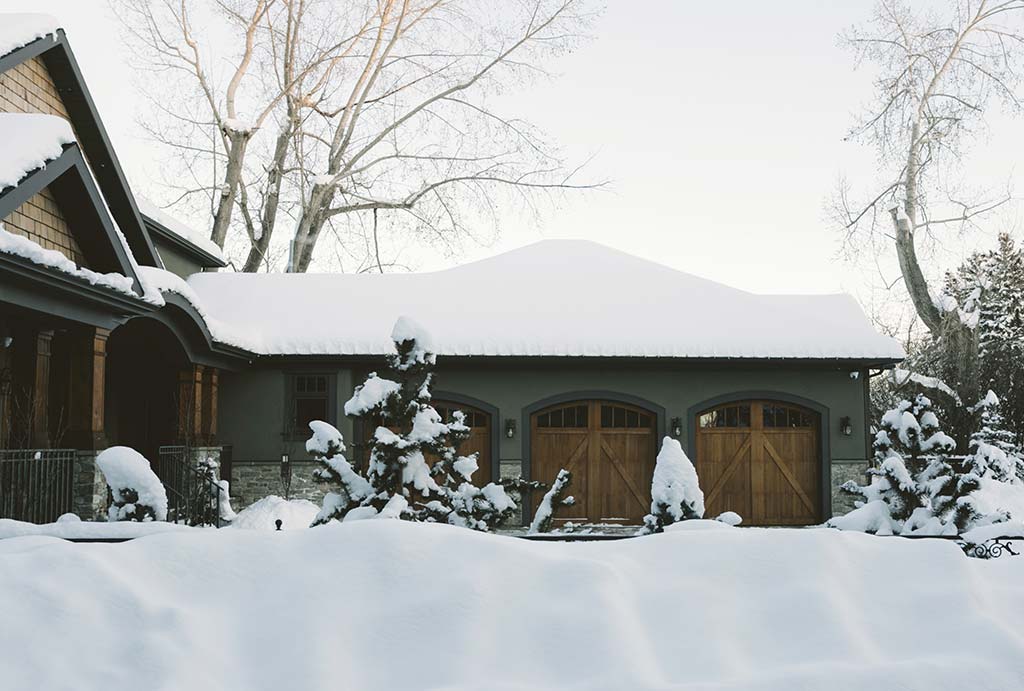
December is the month when small roof problems turn into expensive headaches. Cold weather, freeze-thaw cycles, and early snow make any weak spot worse fast. That’s why we put together this Checklist of 10 Small Roof Tasks That Prevent Big Problems. These are simple, do-it-yourself-friendly checks you can do in an afternoon (or have us help with) that stop leaks, ice dams, and costly emergency repairs before they start. Use this checklist to protect your home and keep heating bills down this winter.
Why a December checklist matters
Winter weather accelerates damage and hides problems until they’re urgent. Gutters clogged with leaves back up water onto shingles. Poor attic ventilation and thin insulation let warm air melt roof snow, which refreezes at the eaves and forms ice dams. Catching small issues now prevents big fixes later and helps your roof last longer. Many of the most important winter-prep steps are quick and inexpensive. Our local Indy experience shows that routine checks make the biggest difference.
The Checklist. 10 Small Roof Tasks
1) Clean your gutters and downspouts
Why it matters: When gutters are clogged, water can’t flow off the roof. That creates standing water, rotting fascia, and can force water under shingles. In winter, clogged gutters worsen ice dam formation. How to do it: Scoop leaves and debris out, flush downspouts with a hose, and check that water is directed away from your foundation. If you have long runs, consider gutter guards as a partial solution. Need help? We handle gutter cleaning and repairs.
2) Inspect roof edges and shingles from the ground
Why it matters: Missing, curled, or cracked shingles are the most common entry points for leaks. Catching these early avoids water damage. How to do it: Use binoculars or a zoom camera and walk your property perimeter. Look for loose shingles, dark spots, or pieces on the lawn after storms. If you see obvious damage, call a pro; don’t climb an icy ladder. Local guides also recommend annual visual checks to catch wear before winter deepens it.
3) Check flashing around chimneys, vents, and skylights
Why it matters: Flashing is the thin metal that seals roof penetrations. When it pulls away or sealant cracks, water follows those seams into your home. How to do it: From the ground, look for rust, gaps, or sealant that’s missing or brittle. If anything looks off, schedule a close inspection flashing repairs are a small price to avoid interior water damage.
4) Clear attic vents, soffits, and soffit intake areas
Why it matters: Proper attic airflow keeps your roof cold and prevents uneven melting that causes ice dams. Even a few blocked soffit vents can reduce performance. How to do it: From inside the attic, verify vents aren’t stuffed with insulation or debris. Outside, make sure soffit openings are clear. If you’re unsure how much ventilation you need, we can measure and recommend fixes.
5) Check attic insulation and seal gaps
Why it matters: Heat loss through the ceiling melts snow on the roof. That melted water runs down and refreezes at eaves. Proper insulation reduces heat transfer and prevents ice dams. How to do it: Look for consistent insulation depth and coverage; seal gaps around recessed lights, plumbing stacks, and attic hatches with weatherstripping or foam. For older homes, consider adding more insulation to reach current recommendations.
6) Trim overhanging branches and remove rooftop debris
Why it matters: Branches scrape shingles, drop sticks and leaves that clog gutters, and can break and fall in storms. How to do it: Trim limbs back at least 6–8 feet from the roof edge. Remove visible branches and organic debris from the roof surface when it’s dry and safe. Call a tree pro for large limbs.
7) Look for signs of moisture inside your home
Why it matters: Water stains on ceilings, musty attic smells, or peeling paint can all indicate small leaks that worsen in winter. How to do it: Walk every upstairs room and the attic. Note any stains, damp spots, or areas where the insulation looks wet. If you find signs of moisture, get a professional inspection sooner rather than later that’s where small repairs stop big claims.
8) Test downspout discharge and splash blocks
Why it matters: If downspouts dump water against the foundation, freeze-thaw cycles damage foundation walls and create basement water issues. How to do it: Run water through downspouts and watch where it exits. Add extenders or splash blocks so water goes at least 4–6 feet away from the house. Redirecting water is cheap insurance against costly foundation repairs.
9) Check and tighten attic access door seals
Why it matters: Attic doors are surprisingly leaky. A poor seal lets warm attic air out, increasing roof heat loss and the chance of ice dams. How to do it: Add weatherstripping around pull-down stairs or hatch doors and insulate the attic access door if it doesn’t have a solid cover. It’s a simple fix that pays off in both comfort and roof health.
10) Schedule a professional roof inspection if anything looks off
Why it matters: Many issues are easy to miss from the ground. A trained eye can find failing flashing, hidden shingle damage, and early signs of rot or structural concern before they become emergencies. How to do it: Book a local inspection and we’ll walk the roof, inspect the attic, and give a clear plan and estimate. Regular professional checks are the best investment to extend roof life. Local roofing experts agree that scheduled maintenance reduces long-term costs.
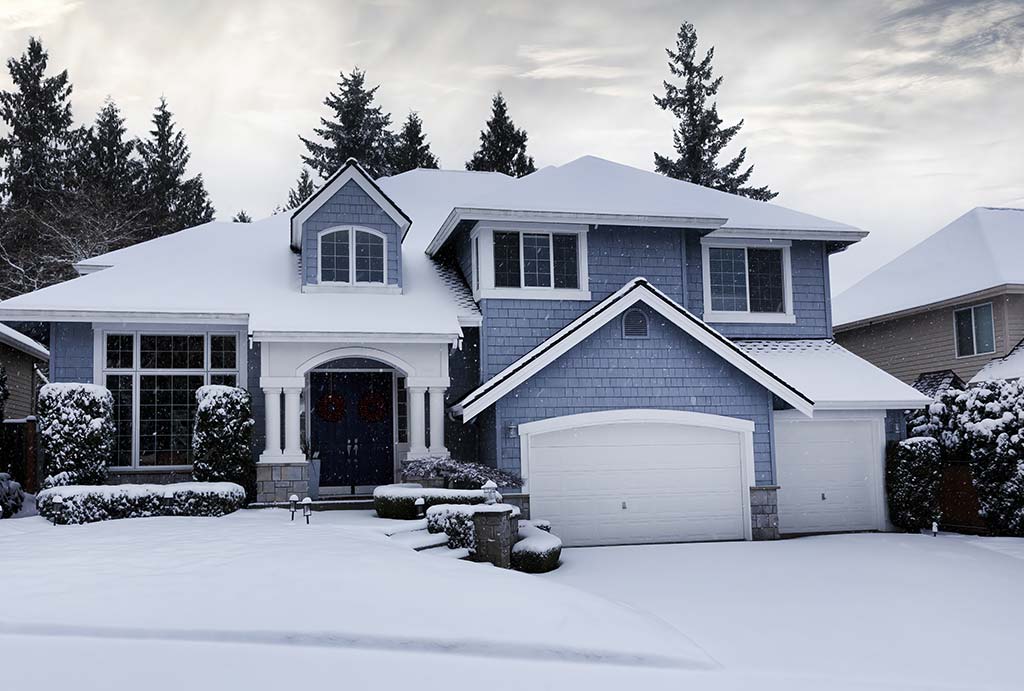
Quick safety tips before you climb
- Don’t go up on the roof when it’s wet, icy, or windy.
- If you don’t have the right ladder safety gear and someone to spot you, stay on the ground and inspect visually.
- For gutter work on two-story homes, consider hiring professionals we handle safe, full-service maintenance in Indy. Safety first.
Common December questions we hear
Will removing all snow from my roof prevent ice dams?
Not always. Removing heavy edge snow helps, but without good attic insulation and ventilation, meltwater will still refreeze at the eaves. Use a roof rake to remove edge snow after big storms and call us if ice dams form unsafe DIY removal can damage shingles.
Can I use salt to melt an ice dam?
No. Rock salt and some chemical melts can corrode metal flashing and damage shingles. Call a pro to remove ice dams safely. We use industry-safe techniques that protect your roof.
How often should I have my roof inspected?
At least once a year, plus after major storms. Annual inspections catch wear and tear before it turns into leaks. Many local homeowners find fall or early winter checks especially helpful.
Why Choose Stay Dry Roofing?
We’re local to Indianapolis. We focus on practical, budget-aware solutions that stop small problems before they turn into big claims. Our inspections measure vent area, check insulation, and test gutters so you get actionable repairs, not scare tactics. If you want help with anything on this December checklist, from gutter cleaning to a full roof inspection call or text us. We’ll give clear answers and options that fit your home and budget.
Final reminder
A little attention in December saves you a lot in the months ahead. Pick two or three items from this list and do them this weekend clean the gutters, check attic vents, and inspect shingles from the ground. If anything seems wrong, let us look. Staying proactive keeps more money in your pocket and your family dry and warm.
Stay safe this winter and when you need us, Stay Dry Roofing is right in the neighborhood.