

Standing seam metal roofing in 2026 is one of the most durable, low-maintenance, and long-lasting roofing choices available today. If you’re weighing options for a roof replacement or building new, this guide walks you through exactly what standing seam metal roofing is, the different panel systems, the pros and cons, installation and maintenance realities, cost considerations, and how to decide whether it’s the right fit for your home. We explain things plainly and give the professional tips we wish every homeowner knew before signing a contract.
What is standing seam metal roofing in 2026?
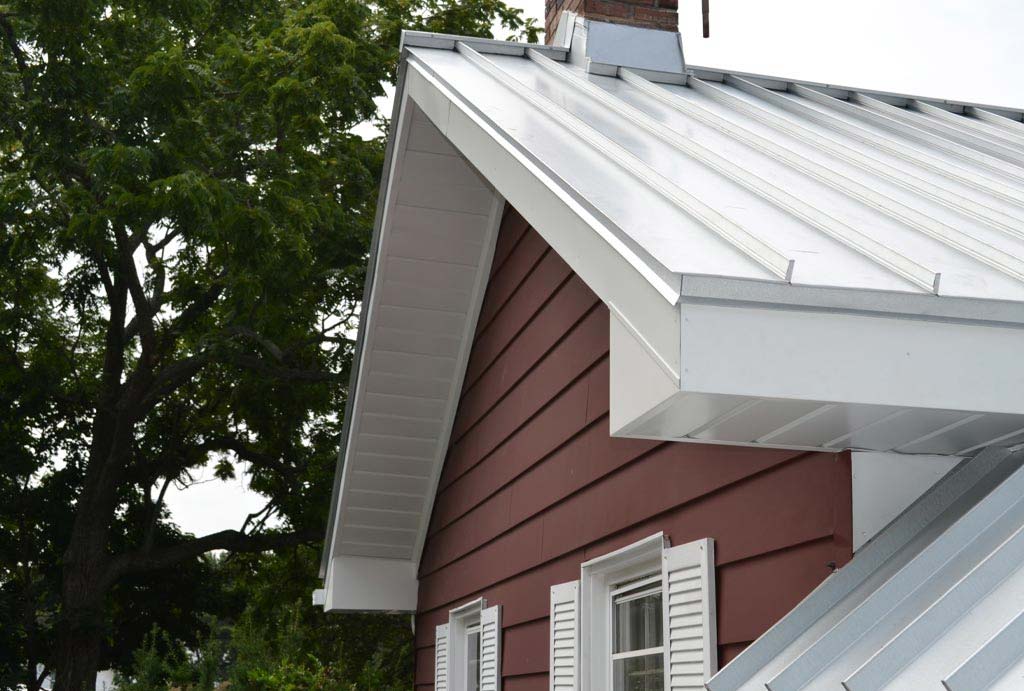
At its core, a standing seam metal roof is a system of long metal panels that run vertically from the ridge of the roof down to the eave. The seams between panels are raised (or “standing”) above the plane of the roof, and those seams lock together in ways that hide fasteners and greatly reduce opportunities for leaks. There are several ways those seams are made and connected mechanically seamed, snap-locked, nail-hemmed, and systems that use exposed fasteners and each has its own installation method and performance profile.
Standing seam panel types. A quick breakdown
- Mechanically seamed: Panels are crimped together with a machine (or hand crimper) to create a watertight seam. This method is used widely on low-slope roofs and provides one of the strongest seam connections.
- Snap-locked: Panels “snap” together over clips. Installation is faster and allows thermal movement, which is good in climates with wide temperature swings.
- Nail-hemmed: Similar to some siding systems, these use a hem that’s fastened in a hidden channel. They’re common with aluminum and stainless materials.
- Exposed-fastener panels: Technically not as “standing seam” in performance, these overlap and are secured with screws. They’re cheaper up front but usually need more maintenance (screw replacement) and have a shorter practical life between service events.
Each system affects cost, appearance, and long-term performance. We’ll get into those tradeoffs below.
Why homeowners choose standing seam metal
Longevity
Properly installed standing seam roofs can last for decades often 40–70 years depending on material and environment and many systems carry long warranties because the panels resist rot, insect damage, and most storm-related degradation better than many other materials. This makes them an excellent long-term investment for homeowners planning to stay in their home or who value minimal long-term maintenance.
Watertight performance
Because fasteners are hidden and seams are raised and locked, standing seam systems are far less likely to leak than traditional exposed-fastener metal panels. This is especially important on low-slope roofs and in climates with heavy rain or snow.
Energy efficiency and comfort
Many metal roofs reflect solar radiation and can help reduce cooling loads when the right reflective coatings and underlayment are chosen. In cold climates, metal sheds snow quickly and reduces ice-dam formation when properly insulated and ventilated.
Aesthetics
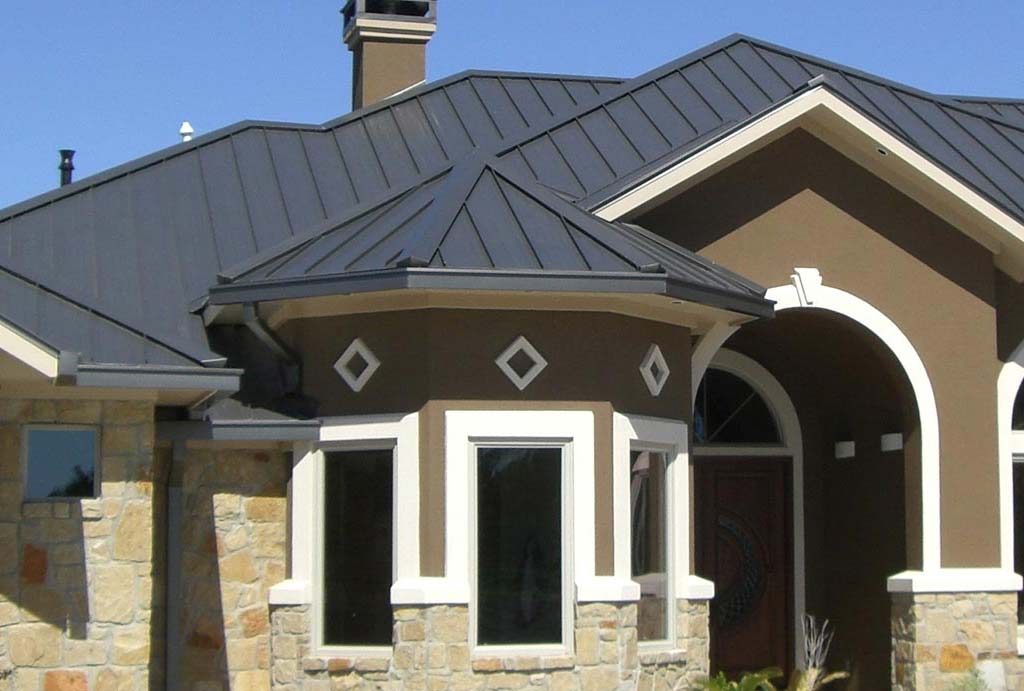
Standing seam offers a clean, modern look with narrow, consistent vertical lines. It comes in many colors and finishes that keep a home looking updated for years.
Fire resistance and durability
Most metal roofing materials have excellent fire ratings and resist common problems like rot and pest damage.
Drawbacks to standing seam metal roofing to consider
- Higher upfront cost: Standing seam systems are typically priced above asphalt shingles and even many other metal roofing options. Material costs and the need for experienced installers drive that price.
- Installation complexity: Proper installation requires skilled roofing crews familiar with seam types, clip spacing, substrate preparation, and flashings. A poor install negates many advantages, so installer selection matters more than with simple shingle roofs.
- Limited DIY potential: This is not a roof you want to attempt yourself unless you have specialty tools and experience. Mistakes (improper seaming, wrong underlayment, poor flashing) lead to expensive callbacks.
- Panel movement & noise (perception): Metal expands and contracts with temperature. Good clip systems and proper attachment minimize issues, but if a system is designed incorrectly you can get oil-can (visible waviness) or loose clips that catch wind. Proper installation addresses most of these concerns.
Material choices and coatings
Standing seam panels are made from several metals: galvanized steel, galvalume (coated steel), aluminum, and copper are the most common. Each has tradeoffs:
- Galvalume / steel: Strong and cost-effective, widely used on homes and commercial buildings. Modern coatings and paint systems increase longevity and color retention.
- Aluminum: Lighter and naturally corrosion-resistant a good choice near saltwater or for specific architectural needs.
- Copper: Premium, develops a patina over time, and can last well over a century, but carries a high material and labor cost.
Coatings (PVDF, silicone-modified polyester, etc.) provide color retention and additional corrosion resistance. Reflective coatings can improve energy performance. Ask your contractor about manufacturer warranties for both the metal and the finish those warranties matter.
Installation essentials
A standing seam roof performs only as well as the details. When we install these roofs, here’s what we make sure of:
- Solid roof deck and proper underlayment: A flat, secure deck and high-quality synthetic underlayment reduce the risk of water intrusion and add a thermal layer.
- Correct clip spacing and thermal movement allowance: Clips secure panels without pinning them rigidly allowing them to expand and contract safely.
- Seam integrity: Mechanically seamed connections or properly engaged snap-locks must be uniformly installed. Any missed crimps or half-snapped panels are trouble spots.
- Flashing and penetrations: Valleys, chimneys, skylights, and vents need custom flashings. Hidden-fastener systems make flashings trickier, so experienced detailing is essential.
- Edge trims and snow/ice considerations: In snowy climates, consider snow retention systems and edge details that prevent wind uplift and ice-driven leaks.
If your installer can’t explain these points or show manufacturer installation guides that match the work plan, that’s a red flag.
What to expect from a cost and value perspective
Costs vary widely depending on material, seam type, roof complexity (hips, valleys, penetrations), and geographic labor rates. Typical factors include:
- Material choice: Copper and specialty finishes cost significantly more than standard galvalume or painted steel.
- Seam system: Mechanically seamed installations generally cost more than snap-lock systems due to time and tooling.
- Roof complexity & pitch: More penetrations, valleys, or complicated geometry increase labor. Low slopes that require special seam types can also add cost.
- Warranty & brand: Premium panel manufacturers with long color and finish warranties will carry a price premium.
Although the upfront investment is higher, standing seam metal roofs often outlast asphalt shingle roofs by decades. When you spread the cost over a 30–50 year lifecycle, the value proposition improves because you avoid multiple shingle replacements and get strong resale appeal. Ask contractors for lifecycle cost comparisons and see actual warranty documents don’t rely on verbal promises alone.
What you’ll actually need to do for maintenance in 2026
One of the best parts about standing seam roofing is how little routine maintenance it requires compared to other roofs. Still, a little care keeps the system performing:
- Annual visual checks: Look for loose flashings, damaged panels, or unusual debris build-ups.
- Gutter cleaning: Keep gutters and downspouts working metal roofs shed water and debris quickly, which can overwhelm clogged gutters.
- Snow management: In heavy snow areas, consider snow guards to avoid dangerous slides and to protect gutters.
- Avoid walking where possible: Metal can dent if walked on improperly; if someone must access the roof, use walk pads and have a professional do it.
Exposed fastener systems may need screw washers replaced every 10–15 years in many cases; hidden-fastener standing seam systems eliminate most of that routine fastener maintenance.
Common questions we hear
Will my standing seam metal roof attract lightning?
No. Standing seam metal roofing does not attract lightning. Lightning strikes the highest point in an area, not the roofing material itself. In fact, metal roofs are non-combustible, so if lightning were to strike nearby, a metal roof reduces the risk of fire compared to many traditional roofing materials.
Will a metal roof be noisy during rain or hail?
This is one of the most common myths we hear. When a standing seam metal roof is installed over a solid roof deck with proper underlayment and attic insulation, it is no louder than asphalt shingles. Noise issues usually come from improperly installed metal panels or open-framing structures like barns not residential homes with modern roof systems.
Can solar panels be installed on a standing seam metal roof?
Absolutely. Standing seam metal roofing is one of the best roof types for solar. Many solar mounting systems clamp directly to the raised seams, meaning no penetrations through the panels themselves. This helps preserve the roof’s watertight integrity while making future panel removal or adjustments much easier.
How long does standing seam metal roofing really last?
With proper installation and quality materials, standing seam metal roofs often last 40–70 years or more. In many cases, the roof will outlast the home’s original shingles several times over. The key factors are panel material, protective coatings, correct seam installation, and long-term flashing integrity.
Can standing seam metal roofing be installed over my existing roof?
In some cases, yes but it depends on the condition of the existing roof, local building codes, and the type of metal system being used. While installing over an existing roof can save on tear-off costs, we often recommend starting with a clean deck so we can address ventilation, underlayment, and structural details properly.
Does standing seam metal roofing work on low-slope roofs?
Yes, certain standing seam systems are specifically designed for low-slope applications. Mechanically seamed panels are commonly used on lower pitches because the locked seams provide superior water resistance. Choosing the correct seam type for your roof slope is critical to long-term performance.
Will my metal roof rust over time?
Modern standing seam metal roofing uses protective coatings and finishes that significantly reduce the risk of corrosion. Galvalume and aluminum panels are especially resistant to rust when properly installed. Issues typically only arise if panels are cut or damaged improperly and left unprotected another reason professional installation matters.
What happens if a panel gets damaged?
Individual panels can often be repaired or replaced, depending on the seam system and location of the damage. While replacement is more involved than with shingles, standing seam roofs are highly durable, so damage is far less common. Most issues we see come from fallen branches or severe storms.
Does standing seam metal roofing increase home value?
In many cases, yes. Homebuyers recognize metal roofing as a premium, long-lasting system. The clean appearance, energy efficiency, and reduced likelihood of future roof replacement can all be attractive selling points, especially compared to homes with aging asphalt shingles.
Is standing seam metal roofing energy efficient?
Yes. Many standing seam metal roofs use reflective finishes that reduce heat absorption, helping keep homes cooler in summer. When paired with proper attic insulation and ventilation, metal roofing can contribute to lower cooling costs and improved indoor comfort year-round.
Do metal roofs require maintenance?
Standing seam metal roofing is very low maintenance compared to other roofing systems. Occasional visual inspections, keeping gutters clean, and checking flashings after major storms are usually all that’s needed. Unlike exposed-fastener systems, there are no screws that routinely need tightening or replacing.
How to choose the right installer
Because craftsmanship matters so much with standing seam roofing, vet contractors carefully by looking into or requesting the following:
- Check for local references and recent installations you can see in person.
- Ask for manufacturer certifications for the specific panel system you choose.
- Request a written scope, materials list (including deck and underlayment), and a copy of the manufacturer finish warranty.
- Confirm the crew that will do the work has experience with your chosen seam system (mechanical seaming vs snap-lock, etc.).
If an estimate seems low by a large margin, ask why. Cut corners in materials or installation details will show up as leaks or aesthetic problems later.
Is standing seam metal roofing right for you?
Standing seam metal roofing is ideal for homeowners who want a long-lived, low-maintenance roof with a modern look and strong resistance to weather. It’s particularly attractive if you value energy performance, live in a high-wind or snowy area, or want a single “forever” roof rather than multiple shingle replacements over decades.
Weigh the higher initial cost against the long-term benefits: fewer future replacements, strong curb appeal, and lower maintenance. If you’re planning to stay in your home long-term or want a high-quality, low-maintenance roofing system, standing seam metal roofing is worth serious consideration.
Ready to learn more or get a quote?
If you’re thinking about standing seam metal roofing for your home, we’re happy to walk your property with you, point out the key details, and provide a custom estimate that shows long-term value not just a sticker price. Call Stay Dry Roofing at 317-308-7773 or click to get your quote today. We install, we guarantee, and we’ll explain everything, so you know exactly what you’re buying.